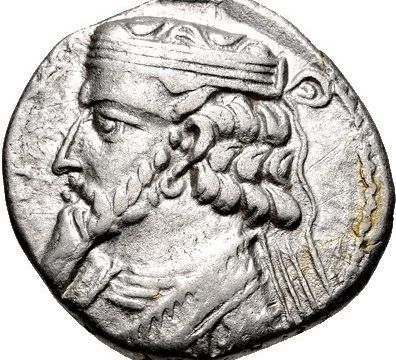
Marcus 400 – 406
Biography
Marcus was a Roman usurper whose brief rise to power marked a tumultuous moment in early fifth-century Britain. Proclaimed emperor in 406, he emerged during a period of significant instability within the Roman Empire, when provincial leaders increasingly sought to seize control amid widespread political chaos. His elevation to imperial status reflected the desperation and fragmentation of Roman authority in Britain at the time, as local forces attempted to establish independent leadership in response to threats facing the province.
Little is recorded about Marcus’s early life beyond his birth on January 1, 400. The circumstances of his proclamation, the support he commanded, and the specifics of his brief reign remain largely undocumented in historical records. His tenure as a claimant to imperial power was extraordinarily short-lived, ending with his death on January 1, 406—precisely six years after his birth and in the same location where he had spent his life, Roman Britain.
Marcus’s legacy survives primarily as a footnote in the fragmentary historical record of Roman Britain’s final decades. His attempt at imperial rule, though ultimately unsuccessful, stands as a testament to the period’s instability and the complex political struggles that characterized the empire’s twilight years in Britain.
More Images