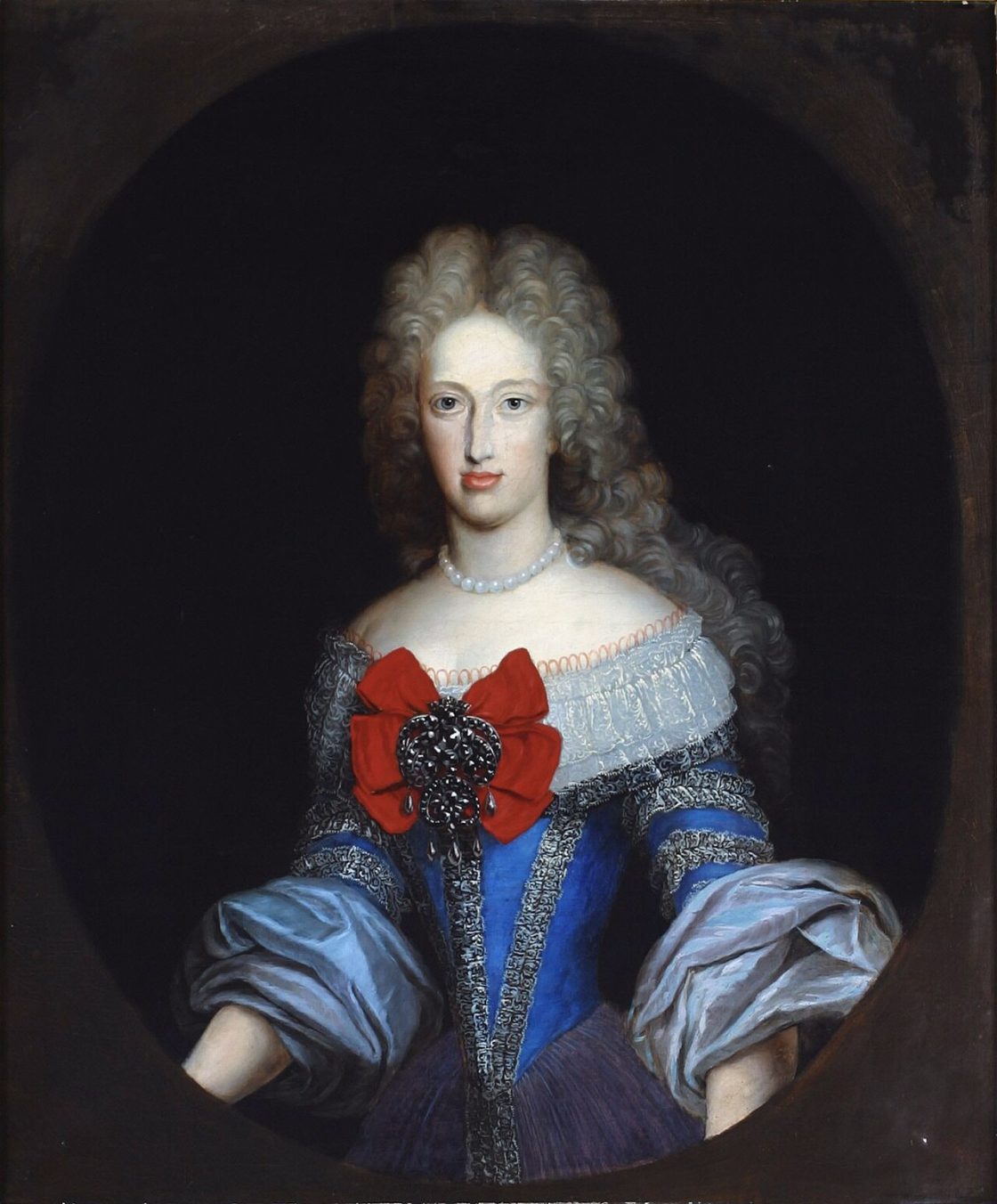
Maria Anna of Neuburg 1667 – 1740
Biography
Born into the glittering House of Neuburg in 1667, Maria Anna ascended to one of Europe’s most coveted thrones when she became Queen consort of Spain. Her marriage thrust her into the heart of late-seventeenth-century court intrigue, where she wielded the subtle but substantial power that came with her position during a transformative era in Spanish history. As queen consort, she navigated the complex web of dynastic alliances and royal politics that defined European monarchy.
Maria Anna’s nearly seventy-three years spanned a pivotal period of change across the continent. She witnessed the evolution of royal courts and European society from her unique vantage point within Spain’s most powerful circles. Her influence rippled through the diplomatic corridors of her time, as royal marriages of her era were less about romance and more about reshaping the political map of nations.
When she died in Guadalajara in 1740, Spain honored her legacy by entombing her in the prestigious Pantheon of the Infantes at the Royal Monastery of San Lorenzo de El Escorial—a final resting place reserved for royalty of the highest significance. Her life stands as a testament to the intricate dance of European power and the enduring mark left by those who held court in history’s grandest palaces.
Cemetery Map
View larger map →Satellite overview of the cemetery grounds.