Mario García Menocal 1866 – 1941
Biography
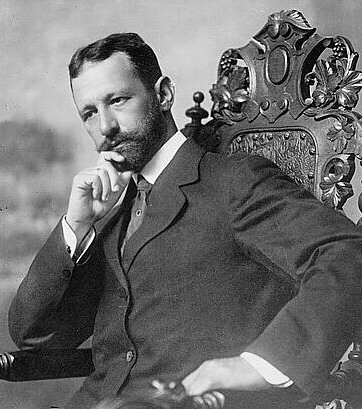
Mario García Menocal embodied the turbulent spirit of early-twentieth-century Cuba, ascending from provincial roots to the presidential palace during a pivotal era for the island nation. Born in 1866 as Cuba forged its identity beyond Spanish colonial rule, Menocal became a towering figure in Caribbean politics, steering his country through volatile decades of nation-building and international intrigue. His presidency marked a defining chapter in Cuban governance—a period when the young republic grappled with sovereignty, economic development, and regional power dynamics.
A man of unwavering commitment to public service, Menocal shaped Cuban political discourse and institutional development during his tenure and beyond. He remained a commanding presence in governmental circles long after his formal leadership ended, his influence rippling through successive administrations and policy decisions. His political trajectory reflected the complexities of leading a newly independent nation navigating global pressures and internal transformation.
When Menocal died in September 1941 at seventy-four, Cuba mourned the loss of one of its founding-era statesmen. His interment at Havana’s prestigious Colón Cemetery cemented his place among the island’s most consequential figures—a legacy woven into the fabric of Cuban national memory and political heritage.
Cemetery Map
View larger map →Satellite overview of the cemetery grounds.