Matsukata Masayoshi 1835 – 1924
Biography
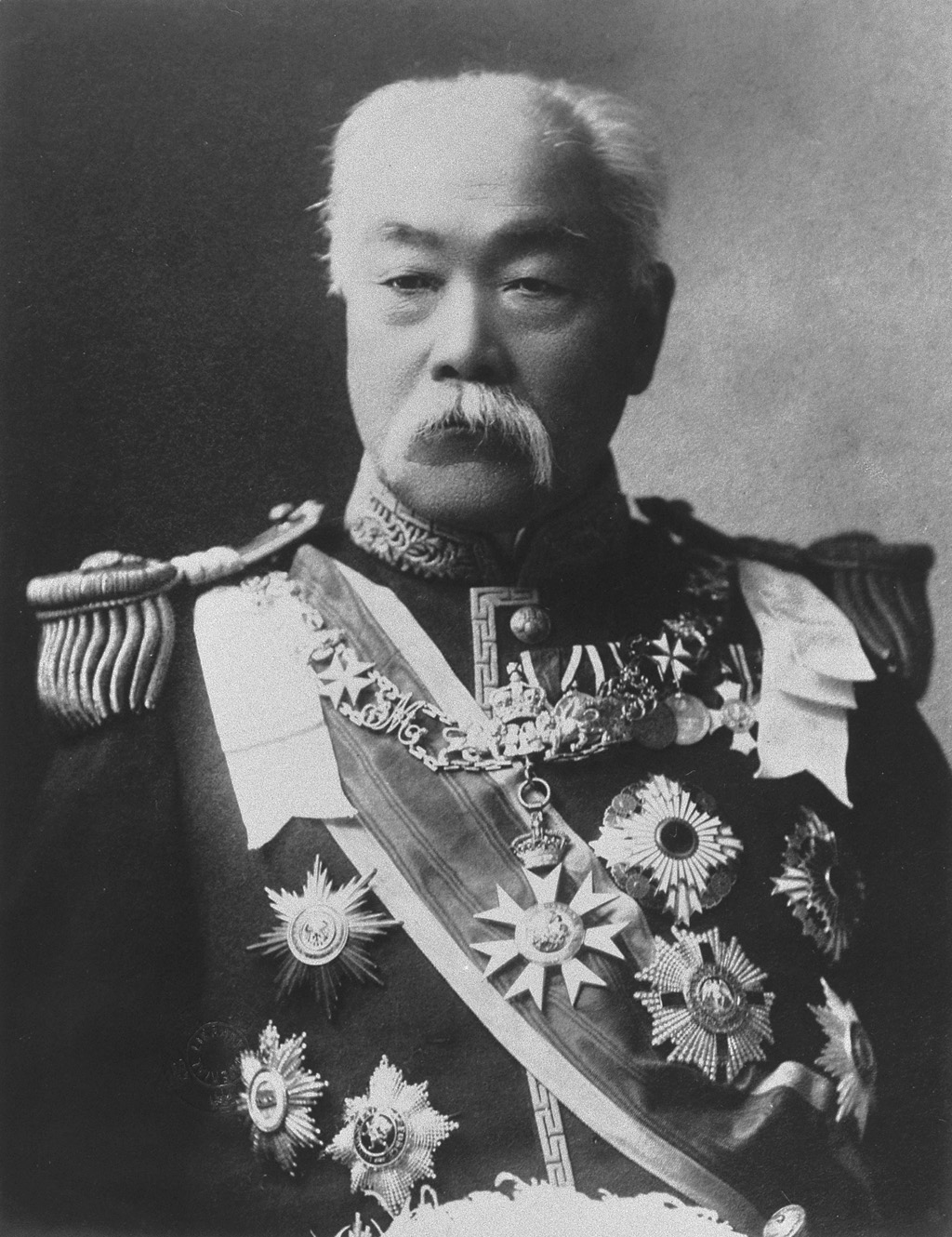
Born into Kagoshima’s storied samurai tradition in 1835, Matsukata Masayoshi rose to become one of Japan’s most consequential political architects during the nation’s electrifying transformation. As the country hurtled from feudal isolation into modern statehood, Matsukata seized multiple governmental roles that positioned him at the epicenter of Japan’s ambitious reforms and nation-building efforts throughout the late nineteenth and early twentieth centuries.
His nearly nine-decade life became a living chronicle of Japan’s meteoric modernization. Matsukata remained a tireless fixture in public service, channeling the reformist spirit of the Meiji era into concrete policy and governmental leadership that would ripple through generations. His work embodied the relentless drive reshaping Japan into a modern power.
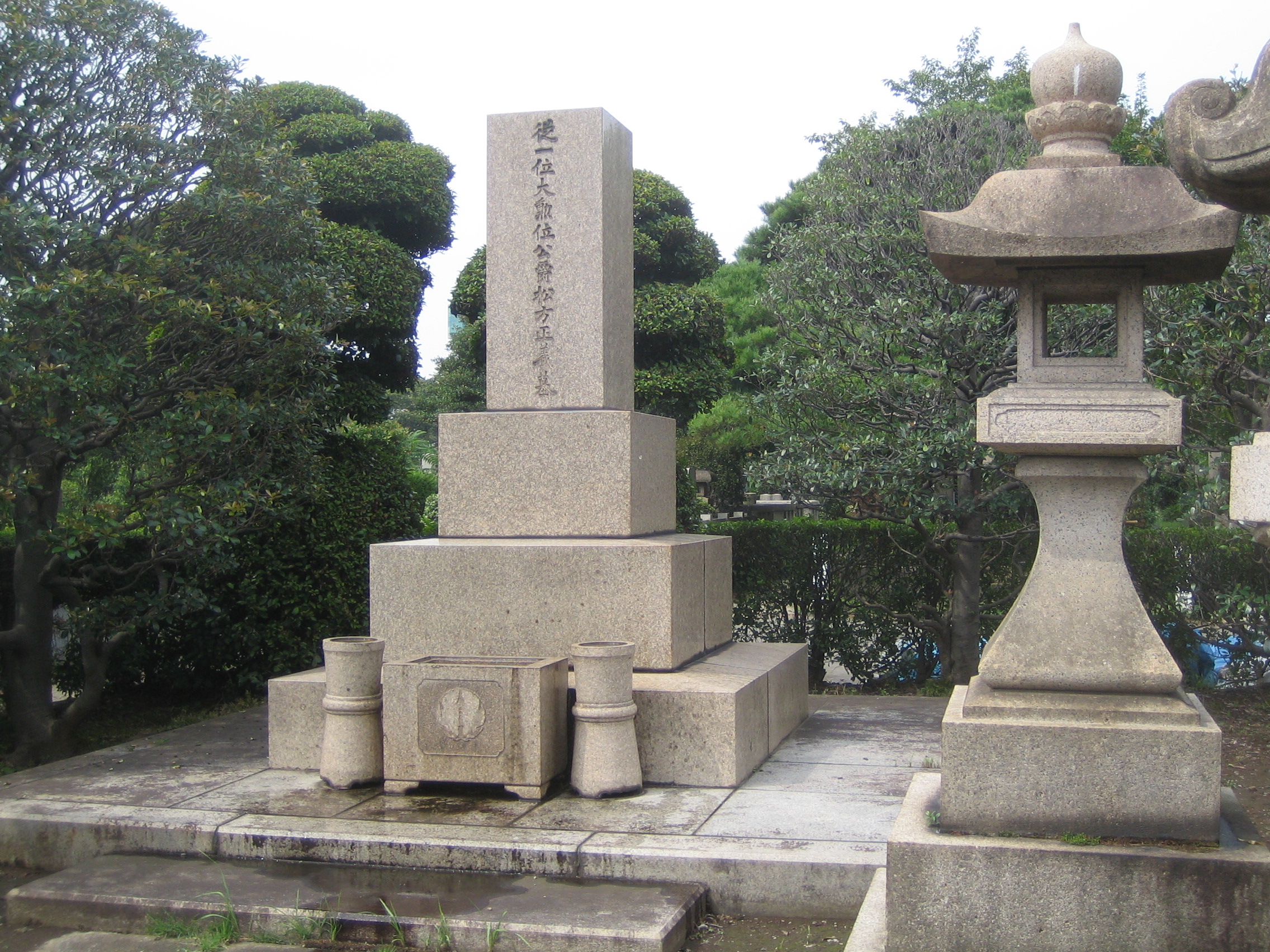
On July 2, 1924, the elder statesman succumbed to respiratory failure at eighty-nine, having witnessed and actively shaped Japan’s most transformative century. Laid to rest at Tokyo’s prestigious Aoyama Cemetery, Matsukata’s legacy rests among the nation’s most honored figures—a testament to a life spent navigating, and steering, one of history’s most dramatic national reinventions.
More Images
Cemetery Map
View larger map →Satellite overview of the cemetery grounds.