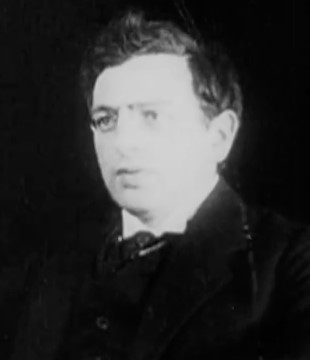
Mauritz Stiller 1883 – 1928
Biography
Helsinki-born Mauritz Stiller became a titan of silent cinema, wielding the director’s chair during film’s most experimental era. This Finnish visionary transplanted himself to Sweden and became the architect of a golden age in Scandinavian filmmaking, crafting works that pushed the boundaries of visual storytelling when the medium itself was barely a decade old. His keen eye for narrative and technical innovation established him as a pioneer whose fingerprints are all over early European cinema.
Stiller’s directorial brilliance unfolded across the 1910s and 1920s, a period when filmmakers worldwide were discovering cinema’s artistic possibilities. He navigated the rapid evolution of the industry with creative ambition and technical mastery, leaving an indelible mark on Swedish film that would influence generations to come. His contributions transcended borders, cementing his place among the silent era’s most consequential directors.
When Stiller died on November 8, 1928, at just forty-five, the film world lost one of its founding visionaries. Though his life was cut short, his legacy proved immortal—embedded in the films he created and the creative foundation he helped build for cinema itself.
Cemetery Map
View larger map →Satellite overview of the cemetery grounds.