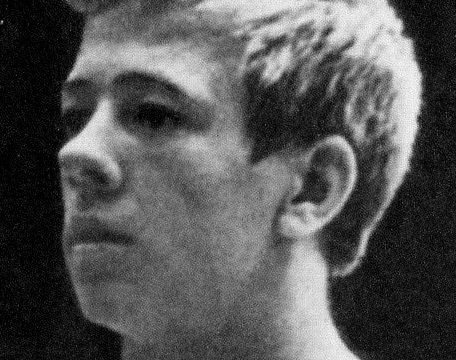
Max Jacob 1876 – 1944

Biography
A poet, painter, and critic who refused to be confined to a single canvas, Max Jacob spent nearly seven decades weaving through early twentieth-century French modernism like an artistic phantom. Born in Quimper in 1876, Jacob became a restless creative force—equally at home crafting verses, wielding a brush, or dissecting the cultural moment. His work moved fluidly across disciplines, refusing easy categorization and embodying the experimental spirit that defined an era of radical artistic transformation.
Jacob’s real power lay in his ability to shape how people *thought* about art itself. As both creator and critic, he influenced literary and visual discourse during France’s most innovative period, building a reputation as a cultural instigator who understood modernism from the inside. His voice mattered—thoughtful, incisive, uncompromising.
His story ends in darkness. On March 5, 1944, Jacob died in the Drancy concentration camp at sixty-seven, claimed by bronchopneumonia amid humanity’s greatest catastrophe. Yet his artistic legacy—scattered across poems, paintings, and critical essays—survives as testament to the countless creative voices the Holocaust silenced. He rests at Saint-Benoît-sur-Loire, remembered not for how he died, but for how brilliantly he lived.
More Images

Cemetery Map
View larger map →Satellite overview of the cemetery grounds.