Michael Praetorius 1571 – 1621
Biography
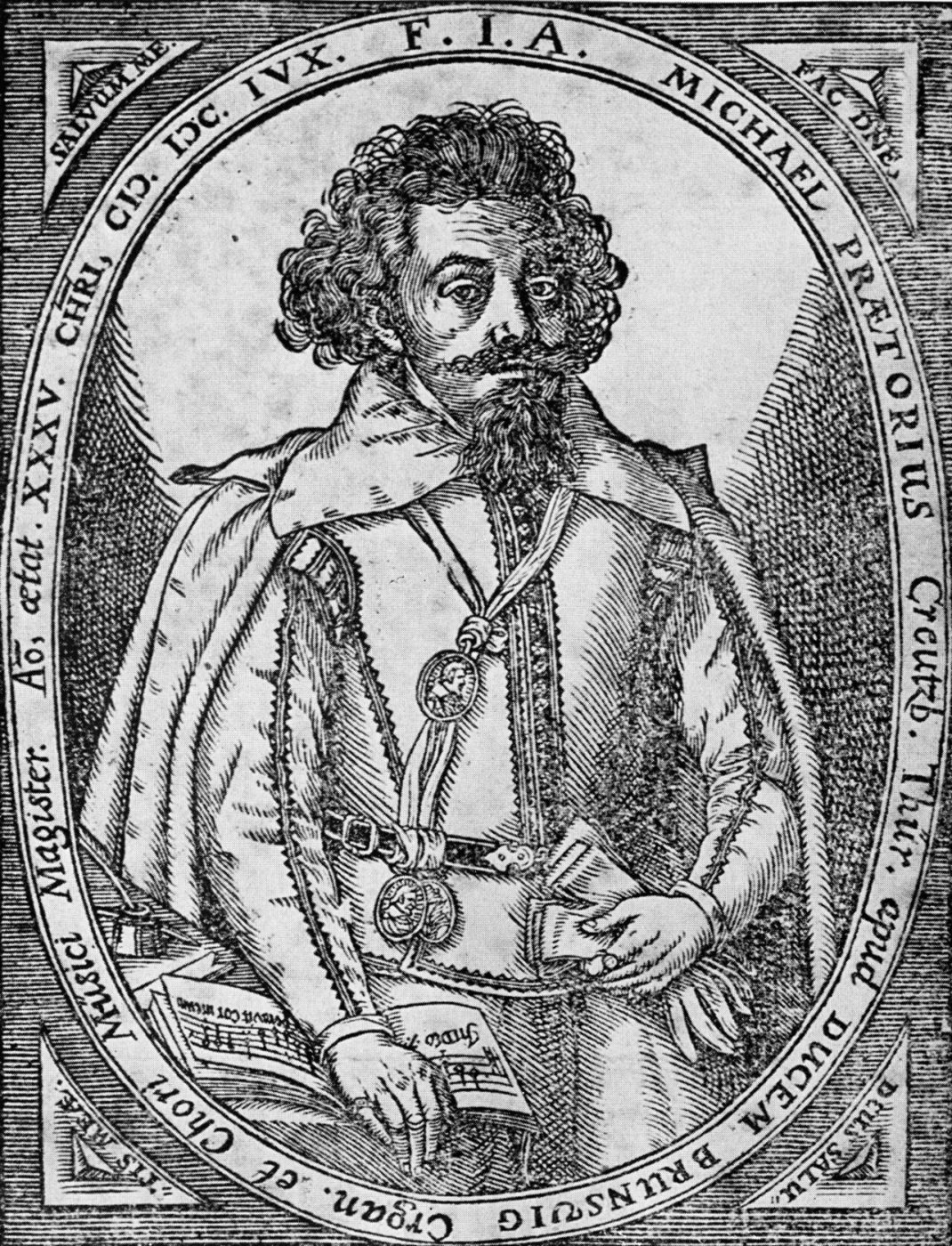
Born into a Germany ablaze with musical innovation, Michael Praetorius became one of the Renaissance’s most influential composer-theorists. His genius lay in bridging two worlds: as both a working musician and intellectual architect of sound, he shaped how early Baroque music was composed, performed, and understood across German courts and churches.
Praetorius’s prolific output—spanning sacred compositions, instrumental works, and groundbreaking theoretical writings—established him as a towering figure in early modern music. His ability to synthesize practical performance knowledge with scholarly rigor made him invaluable to musicians and patrons alike, cementing his reputation as a scholar-artist ahead of his time.
Based in Wolfenbüttel during his final years, Praetorius remained creatively engaged until his death in 1621, leaving behind a legacy that fundamentally enriched European musical heritage. His work continues to resonate with musicians and historians as a vital bridge between Renaissance tradition and Baroque innovation.
Cemetery Map
View larger map →Satellite overview of the cemetery grounds.