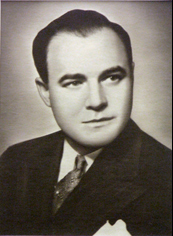
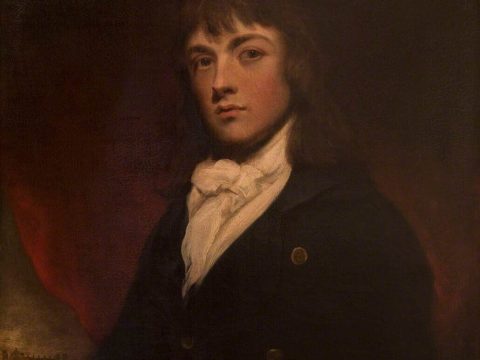
Mihály Horváth 1809 – 1878

Biography
A towering intellectual force in 19th-century Hungary, Mihály Horváth wielded influence across three distinct spheres—the Church, academia, and politics. Born in Szentes in 1809, he rose to prominence as a Catholic bishop whose authority extended far beyond the pulpit. Horváth commanded respect as a serious historian whose scholarship shaped Hungarian cultural consciousness during a turbulent era of political upheaval and national identity formation.
Horváth embodied the intellectual clergy of his era: deeply learned, politically engaged, and unafraid to wade into the great debates of his time. His dual mastery of ecclesiastical matters and historical inquiry made him a rare bridge between spiritual and secular authority in Hungarian society. He navigated the complex landscape of 19th-century European Catholicism while maintaining his role as a trusted voice on Hungarian heritage and national memory.
His legacy rests in the intellectual foundations he helped establish for modern Hungary—a nation grappling with its place in a changing Europe. Horváth died in Karlovy Vary in 1878, and was laid to rest in Budapest’s Fiume Road Graveyard, a final resting place befitting a man who spent his life shaping the very soul of Hungarian civilization.
Cemetery Map
View larger map →Satellite overview of the cemetery grounds.