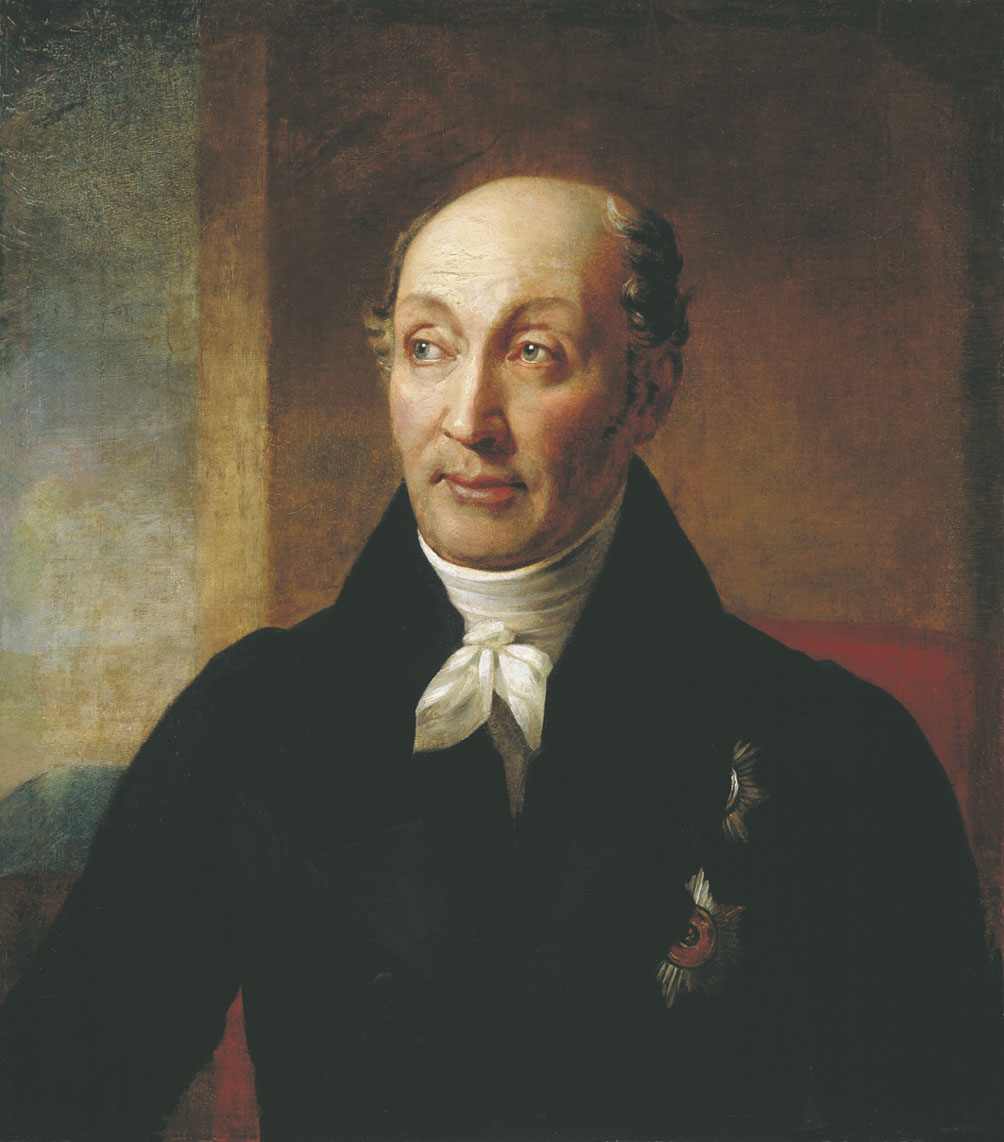
Mikhail Speransky 1772 – 1839
Biography
Rising from a provincial village to the imperial inner circle, Mikhail Speransky became the architect of Russian bureaucratic reform during one of history’s most volatile periods. Born in 1772, he climbed the ranks of state administration to become one of the early nineteenth century’s most powerful political operators, wielding enormous influence over governmental policy and institutional design during Russia’s transformation. His fingerprints were everywhere in the machinery of imperial power.
For decades, Speransky worked at the pinnacle of Russian politics, reshaping how the state actually functioned. His legacy wasn’t built on flashy proclamations but on the grinding, essential work of administrative reform—the kind of behind-the-scenes genius that fundamentally altered how Russia governed itself. He remained a fixture in Saint Petersburg’s corridors of power, commanding respect for his intellectual rigor and political acumen throughout his career.
When Speransky died in 1839, the Russian establishment recognized what he’d built: a modernized bureaucracy that would outlast empires. Buried at the prestigious Tikhvin Cemetery in Saint Petersburg, his final resting place reflected the stature he’d earned. Though history often forgets the reformers who quietly rebuild nations, Speransky’s institutional innovations shaped Russian governance for generations.
Cemetery Map
View larger map →Satellite overview of the cemetery grounds.