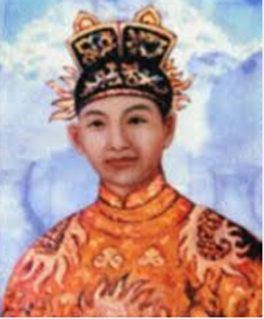
Minh Mạng 1791 – 1841
Biography
Born into Vietnam’s most transformative century, Minh Mạng became one of the nation’s defining emperors—a visionary ruler who consolidated power and reshaped an entire kingdom during the turbulent early 1800s. From his seat in Huế, he engineered sweeping administrative reforms that modernized Vietnamese governance and strengthened territorial control during a period of intense regional upheaval. His reign wasn’t just about survival; it was about strategic nation-building.
Minh Mạng’s legacy rests on his iron-fisted approach to unification and institutional reform. While navigating the treacherous political landscape of nineteenth-century Southeast Asia, he orchestrated changes that would echo through Vietnamese history for generations. His administrative innovations and commitment to territorial integrity established frameworks that defined imperial Vietnam’s future.
The emperor’s death in January 1841 ended nearly five decades of influential rule. Entombed at his magnificent Huế mausoleum, Minh Mạng remains a towering figure in Vietnam’s imperial narrative—a ruler whose ambitions and reforms fundamentally altered his nation’s course during its most pivotal era.
More Images

Cemetery Map
View larger map →Satellite overview of the cemetery grounds.