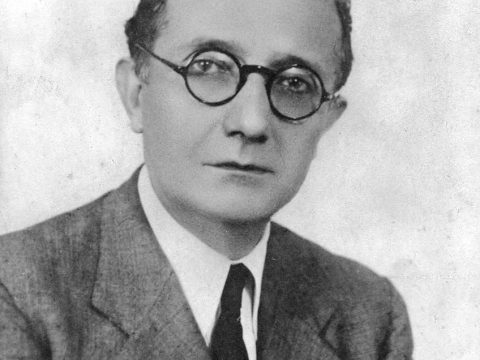
Mohammad Baqir al-Hakim 1939 – 2003
Biography
Mohammad Baqir al-Hakim was born on July 1, 1939, in Najaf, Iraq, a city long revered as a center of Islamic learning and spirituality. From his earliest years, he was immersed in a rich scholarly tradition, growing up in an environment deeply committed to religious education and community service. His formative years in Najaf shaped him into a dedicated Islamic scholar whose influence would extend far beyond his hometown.
Throughout his life, al-Hakim devoted himself to both religious scholarship and public service, becoming a respected voice within Iraq’s Shia Muslim community. His work bridged the worlds of Islamic jurisprudence and political engagement, reflecting his commitment to applying religious principles to the challenges facing his nation and people. He earned recognition as a significant intellectual and spiritual leader during a transformative period in Iraqi history.
On August 29, 2003, al-Hakim’s life was cut short when he was killed in a bombing at the Imam Ali Mosque in Najaf, the holiest site in Shia Islam. The attack marked a tragic loss for the religious community he had served. His death occurred during the turbulent early years following major political changes in Iraq, a time when religious leaders played crucial roles in their nation’s uncertain future.