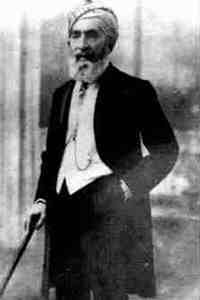
Mohammad Yaqub Khan 1849 – 1923
Biography
Born into Kabul’s corridors of power in 1849, Mohammad Yaqub Khan stepped into Afghanistan’s most demanding role at a watershed moment. In 1879, he assumed the throne as Emir during one of the nation’s most turbulent periods, when external pressures and internal fractures threatened to tear the young nation apart. His ascension marked a pivotal chapter in Afghan history—a brief but consequential leadership during an era when Afghanistan’s very independence hung in the balance.
Though his time as Emir proved notably short-lived, Khan’s tenure resonated throughout Afghan political circles and left an unmistakable imprint on the historical record. He navigated the treacherous geopolitical currents of nineteenth-century Central Asia, a region caught between competing imperial interests and internal upheaval. His reign crystallized a defining moment for a nation still forging its identity.
Khan spent his twilight years in Delhi before his death in 1923 at age seventy-four. True to his roots, he was buried in Kabul—returning home to the city where his remarkable journey began. His legacy endures as a crucial figure in Afghanistan’s intricate past.
Cemetery Map
View larger map →Satellite overview of the cemetery grounds.