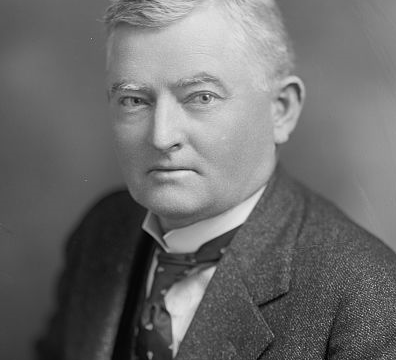
Mohammed Omar 1960 – 2013
Biography
Born in the remote Khakrez District of Afghanistan, Mohammed Omar rose from humble beginnings as a religious scholar to become one of the most consequential—and controversial—political figures of the late 20th century. In the early 1990s, amid Afghanistan’s descent into warlord chaos, Omar founded the Taliban, a movement that would reshape the nation’s trajectory and reverberate across global politics for decades. His uncompromising interpretation of Islamic law and his ability to consolidate power across fractious regions made him a transformative force in Afghan society, commanding fierce loyalty from followers who saw him as a stabilizing force during a period of profound instability.
Omar’s influence extended far beyond Afghanistan’s borders, positioning him at the center of international geopolitical tensions throughout the 1990s and early 2000s. His leadership style, deeply rooted in his religious convictions and connection to Zabul Province, defined an era of Afghan history marked by rigid ideological commitment and sweeping social transformation. On April 23, 2013, Omar died of tuberculosis in his native Zabul Province at age 53, leaving behind a complex and contested legacy that continues to shape discussions about religion, politics, and power in Central Asia.
Cemetery Map
View larger map →Satellite overview of the cemetery grounds.