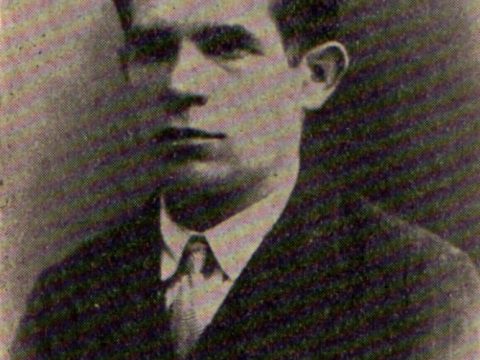
Moisei Uritsky 1873 – 1918
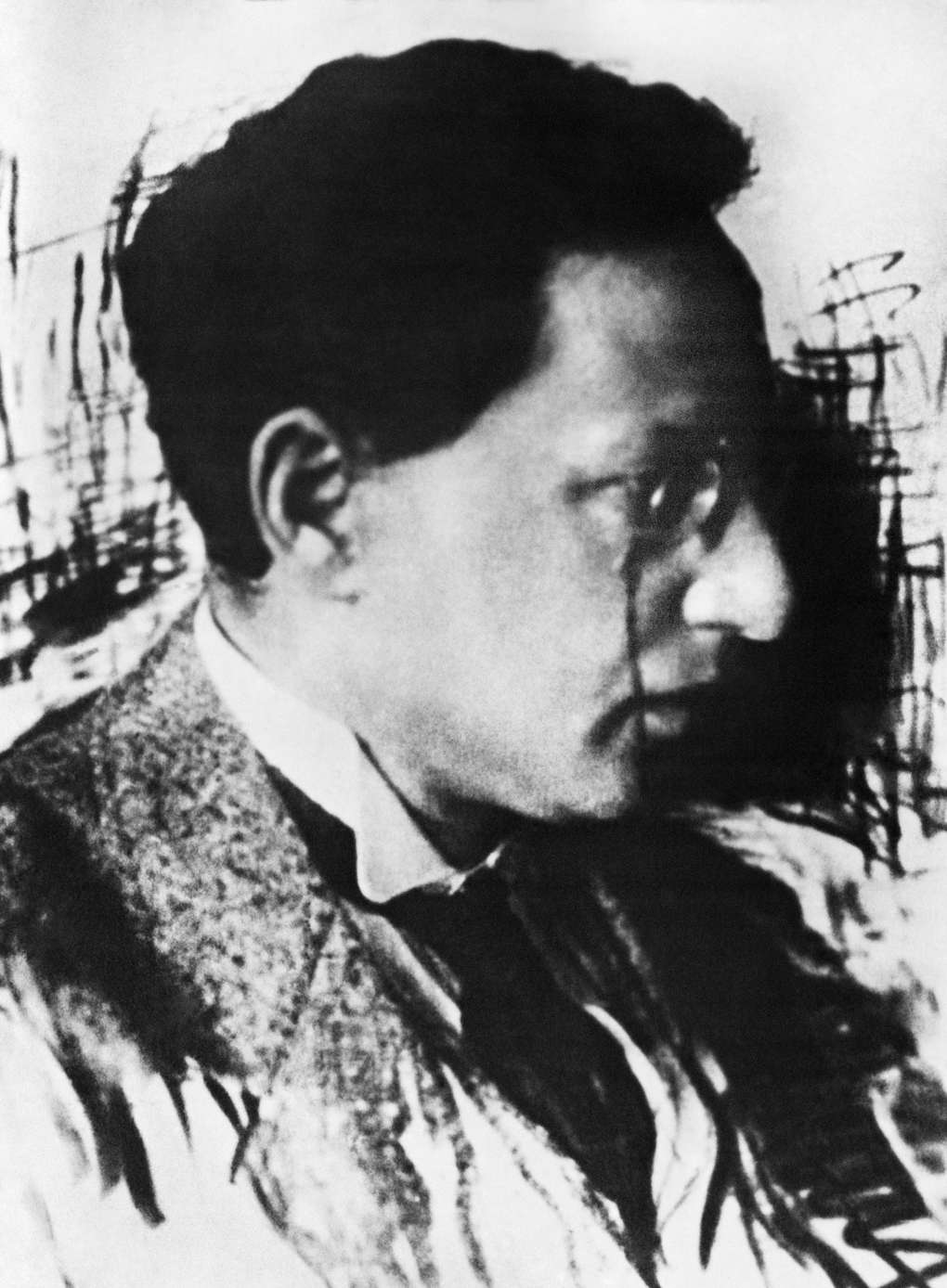
Biography
Born in Ukrainian Cherkasy in 1873, Moisei Uritsky emerged as a pivotal figure in the Bolshevik revolution’s immediate aftermath, wielding significant influence over early Soviet governance during the regime’s most formative and chaotic years. As the new state fought for survival, Uritsky held multiple political posts, navigating the ideological fervor and brutal pragmatism that defined Lenin’s consolidation of power. He became emblematic of the revolutionary generation—intellectuals thrust into positions of enormous consequence amid civil war and ideological upheaval.
Uritsky’s political tenure was marked by the revolutionary period’s distinctive intensity: he helped shape policies as the Soviet apparatus crystallized from revolutionary fervor into institutional structure. His work reflected both utopian vision and the grinding realities of governing a nation torn by conflict. Yet his influence would prove tragically brief. On August 30, 1918, at just 45, Uritsky’s life ended in Saint Petersburg during the Russian Civil War’s bloodiest phase—a period when political assassination and violence claimed countless early Soviet figures. His death underscored the precarious position of those building a revolutionary state amid existential threats.