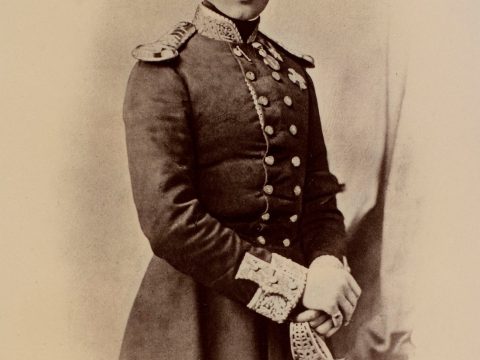
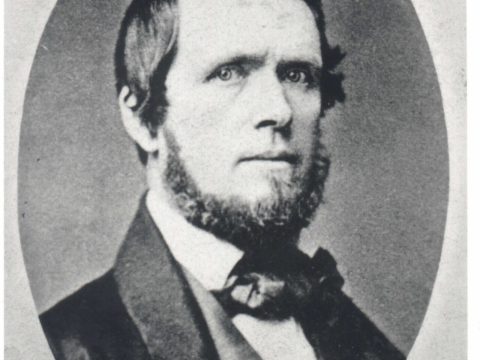
Muhammad Iqbal 1877 – 1938

Biography
Born in Sialkot in 1877, Muhammad Iqbal emerged as one of the twentieth century’s most electrifying philosophical voices—a poet-thinker who fused Islamic mysticism with Western philosophy and captivated millions across the Muslim world. His verses didn’t just decorate drawing rooms; they ignited intellectual revolutions, reshaping how entire generations understood spirituality, identity, and modernity’s collision with tradition.
Iqbal’s genius lay in his refusal to choose sides. While others debated whether the East should surrender to Western thought or retreat into the past, he crafted a dazzling third path—marriage of reason and faith, ancient wisdom and contemporary urgency. His philosophical writings and poetry became cultural touchstones, spreading from Punjab across continents, proving that ideas, when expressed with true eloquence, transcend borders and centuries.
When Iqbal died in 1938, Lahore mourned not just a poet but a prophet of the mind. Buried at Lahore Fort with full ceremonial honors, his legacy endures as a monument to intellectual courage—proof that one person’s pen can reshape how millions think about themselves and their place in the world.
More Images

Cemetery Map
View larger map →Satellite overview of the cemetery grounds.