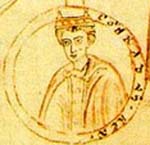
Muhammad of Ghor 1144 – 1206

Biography
Born into the rugged highlands of Ghor in 1144, Muhammad rose from regional prominence to command one of medieval Islam’s most powerful sultanates. For over three decades beginning in 1173, he wielded authority across vast territories, shaping the political destiny of Central and South Asia during a transformative era. His reign defined an age of expansion and consolidation that reverberated through the Islamic world.
On March 22, 1206, a sudden act of violence ended his reign—a fatal stab wound in Dhamiak cut short the life of the sixty-two-year-old ruler. Despite the brutal circumstances of his death, Muhammad of Ghor’s impact endured. His final resting place in Sohawa Tehsil became a monument to a leader who had commanded respect across an empire, cementing his legacy as a pivotal figure whose three decades of rule left an indelible imprint on medieval Islamic political history.
More Images

Cemetery Map
View larger map →Satellite overview of the cemetery grounds.