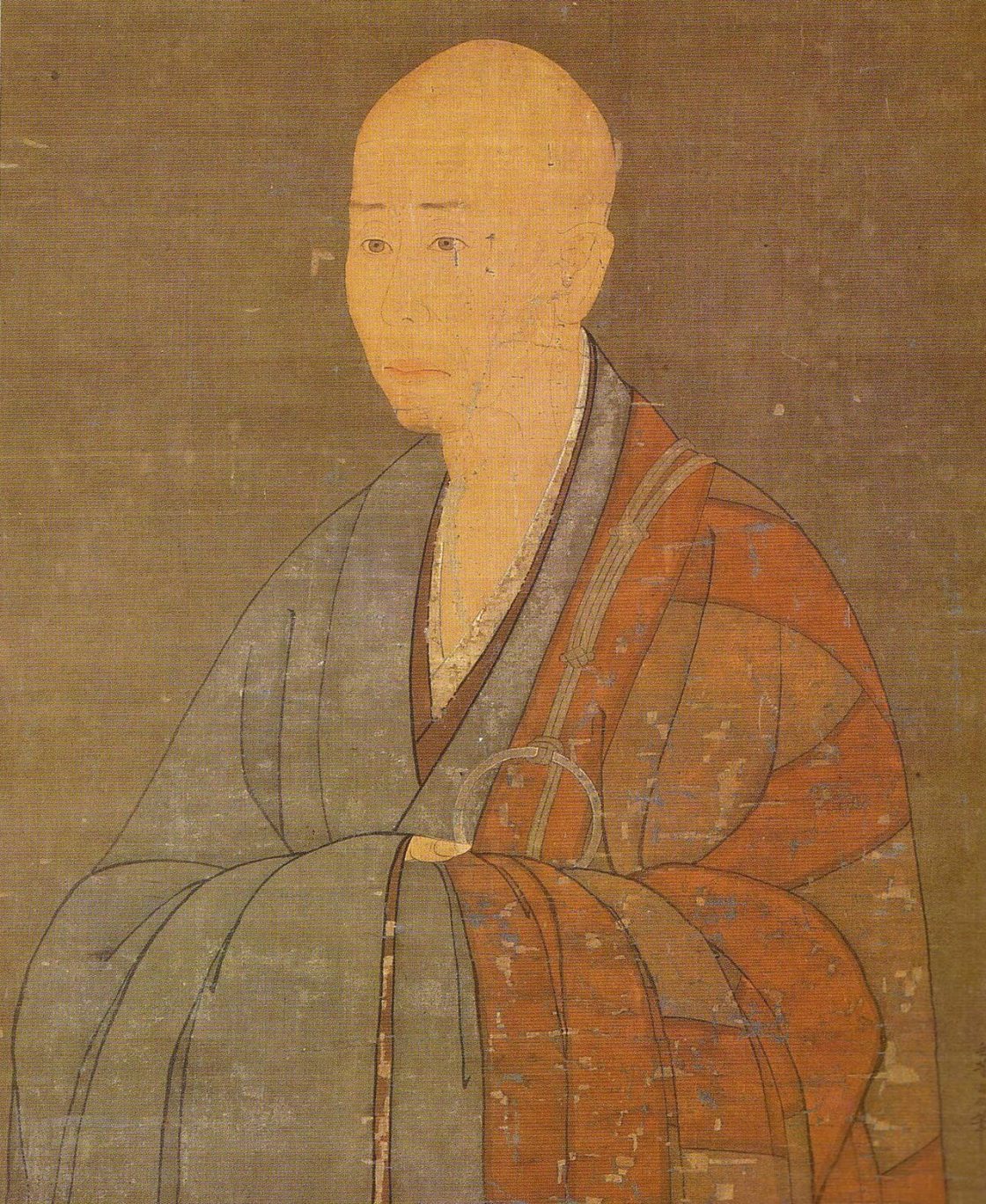
Musō Soseki 1275 – 1351
Biography
Musō Soseki was born on January 1, 1275, in Ise Province, during a transformative period in Japanese history. He would go on to become one of the most influential figures in Zen Buddhism, leaving an enduring legacy that shaped both spiritual practice and the aesthetic traditions of Japan. His life spanned seventy-six years of devoted practice and creative expression.
Beyond his role as a revered Zen-Buddhist teacher, Musō Soseki distinguished himself as a landscape architect whose vision helped define the contemplative gardens that became central to Japanese culture. His work reflected the principles of Zen philosophy, translating spiritual insight into natural forms and spaces designed to inspire meditation and inner peace. His dual mastery of religious teaching and artistic creation made him a rare figure of comprehensive influence.
Musō Soseki spent his final days at Rinsen-ji Temple, where he passed away peacefully on October 28, 1351. He was laid to rest at the same temple, a fitting resting place for a man whose life had been dedicated to spiritual cultivation and the creation of beauty. His contributions to Zen Buddhism and Japanese landscape design continue to be honored and studied by practitioners and artists alike.
Cemetery Map
View larger map →Satellite overview of the cemetery grounds.