Nana Sahib 1820 – 1859
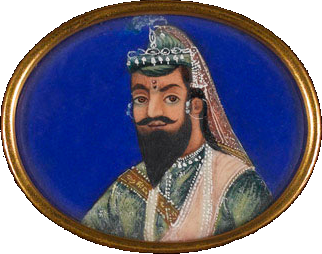
Biography
Born into a pivotal moment in Indian history, Nana Sahib emerged as a fiery symbol of resistance against foreign control during the nineteenth century. This rebel leader became a commanding figure in the struggle for Indian autonomy, galvanizing those who refused to accept domination. His fierce commitment to his homeland’s independence made him a defining voice of defiance during one of India’s most transformative and turbulent periods.
Nana Sahib’s nearly four decades of life were consumed by conflict and rebellion—a relentless fight against the forces reshaping the subcontinent. His leadership and actions left an indelible mark on history, inspiring those around him and becoming legendary among his people. He embodied the spirit of a generation determined to reclaim their nation’s fate from foreign hands.
Nana Sahib died on January 1, 1859, in the same India where his struggle had burned so fiercely. While the exact circumstances of his death remain shrouded in history, his legacy as an unyielding freedom fighter endures. He stands remembered as a towering figure in the narrative of Indian resistance—a man who chose defiance over surrender.
More Images