Niccolò Paganini 1782 – 1840
Biography
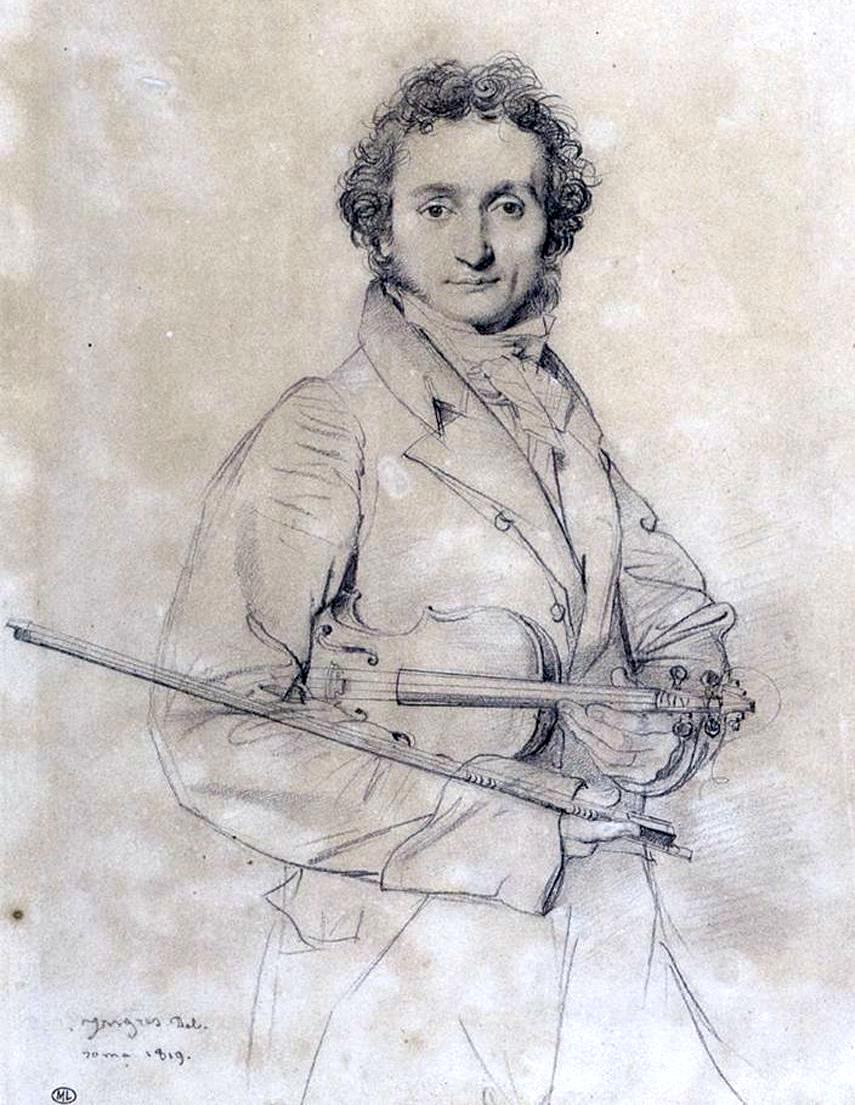
Niccolò Paganini arrived in Genoa in 1782 and rewrote the rules of violin performance. This Italian virtuoso didn’t just play the instrument—he weaponized it, executing technical feats that seemed physically impossible and left audiences convinced they were witnessing sorcery rather than musicianship. His mastery transformed the violin from a supporting voice into a solo instrument capable of dazzling virtuosity, earning him legendary status across Europe and inspiring generations of composers to push the boundaries of what the violin could do.
Beyond his electrifying performances, Paganini proved himself a formidable composer, creating works that demanded technical precision while delivering raw artistic power. His compositions became touchstones for musicians worldwide, studied and revered long after they premiered. By the time he settled in Nice during his final years, Paganini had fundamentally altered the musical landscape, proving that technical brilliance and artistic vision could coalesce into something genuinely transcendent.
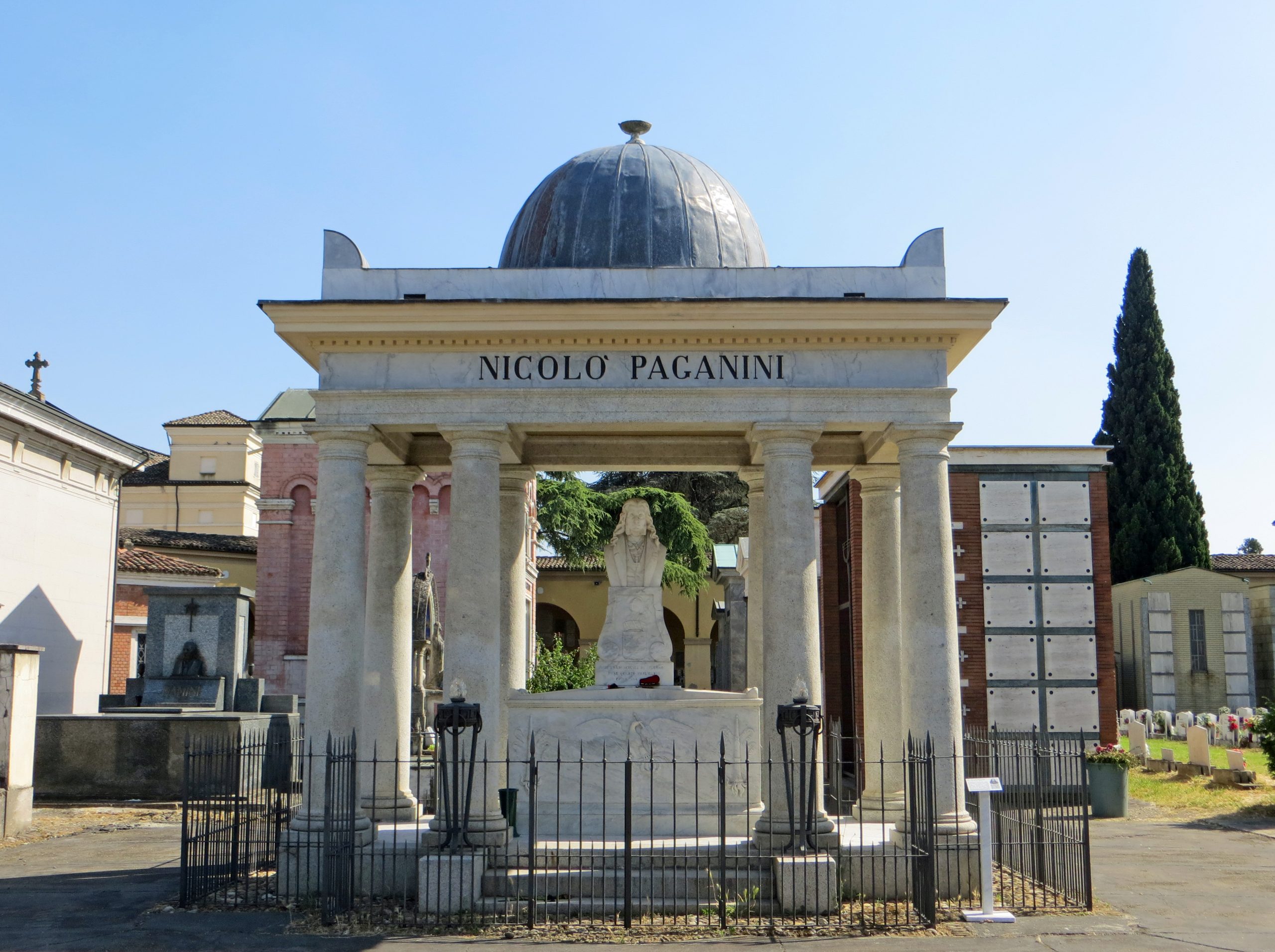
Paganini died on May 27, 1840, and was buried at Villetta Cemetery in Parma. His legacy transcended his era entirely—a musician who didn’t just excel at his craft but fundamentally redefined what was possible within it.
More Images
Cemetery Map
View larger map →Satellite overview of the cemetery grounds.