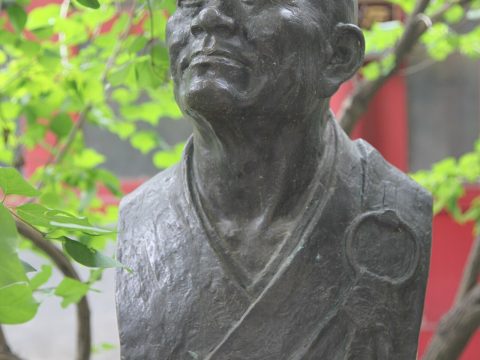
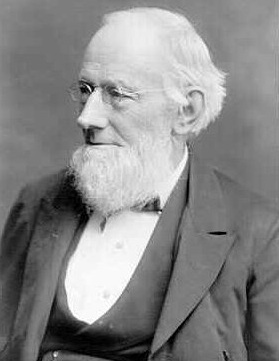
Nicéphore Niépce 1765 – 1833
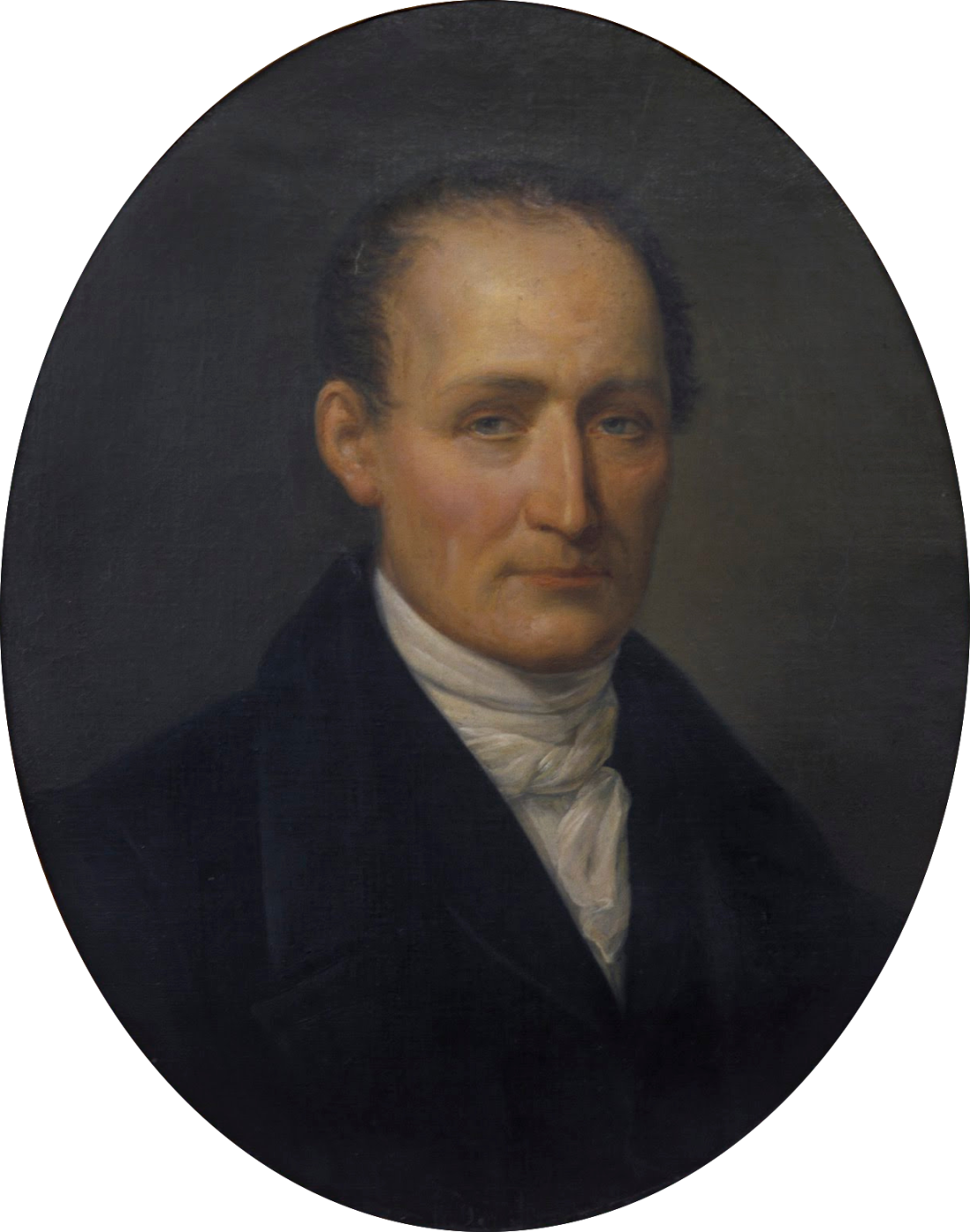
Biography
Before Instagram, before film, before even the camera as we know it existed, Nicéphore Niépce cracked the code that would birth photography itself. The French inventor obsessed over a deceptively simple question: could light permanently etch an image onto a surface? His answer—achieved through years of grueling chemical experimentation—delivered the world’s first photograph in 1822, a grainy but undeniable proof that light could be captured and frozen in time. That breakthrough didn’t just launch a new art form; it fundamentally rewired how humanity sees and documents reality.
Niépce’s work was pure scientific poetry, blending relentless experimentation with visionary ambition during an era when inventors still pursued their breakthroughs in isolated workshops rather than laboratories. While he never lived to see photography’s explosive cultural takeover, he planted the seed that would bloom into the medium that would define modern visual culture. His legacy transcends any single invention—he showed that the impossible was merely undiscovered.
On July 5, 1833, Niépce died of a heart attack at sixty-eight, just as the photographic revolution he sparked was beginning to accelerate. History remembers him as the midwife to an entirely new way of seeing the world.
More Images