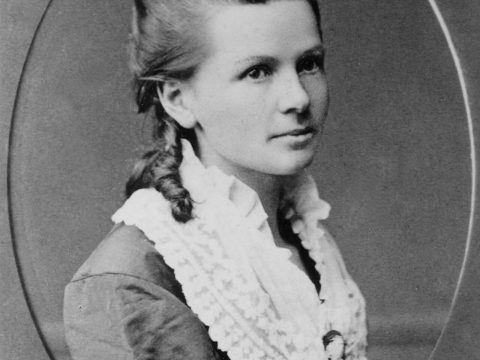
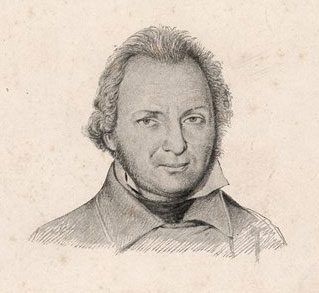
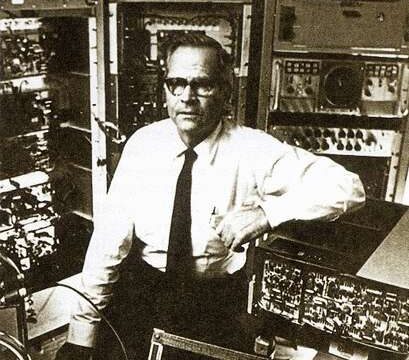
Nicolaus Otto 1832 – 1891
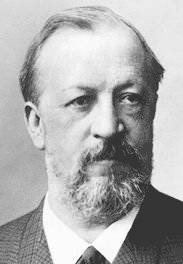
Biography
The engine that powers the modern world bears Nicolaus Otto’s fingerprints. This German inventor revolutionized transportation and industry with his development of the four-stroke internal combustion engine—a breakthrough that transformed everything from automobiles to factories. Born in 1832 in a small Prussian town, Otto channeled the restless energy of the Industrial Age into relentless mechanical innovation, becoming the architect of technology that would define the coming century.
Otto’s genius lay in solving what engineers had struggled with for decades: how to harness fuel efficiently and safely. His methodical approach to engine design earned him respect across Europe’s engineering circles and secured his place as a visionary of the machine age. Working from his base in Cologne during the 1870s and 1880s, he perfected designs that others only theorized about, turning ambitious dreams into workable reality.
When Otto died in 1891, he left behind far more than patents and prototypes. His engine became the beating heart of modernity itself—the essential technology that would drive the twentieth century forward. Buried at Melaten-Friedhof, Otto’s physical remains rested, but his invention kept racing ahead, powering innovations he’d never live to see.
Cemetery Map
View larger map →Satellite overview of the cemetery grounds.