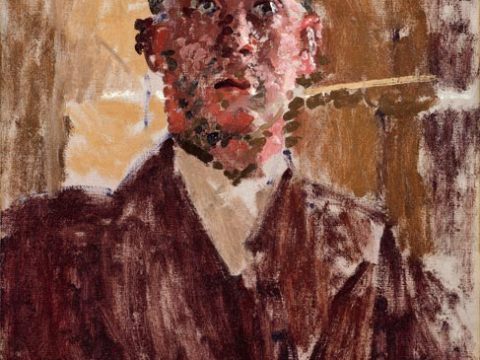
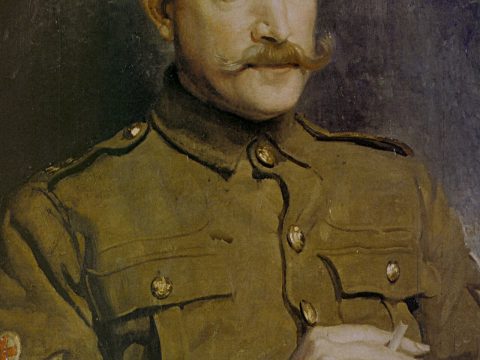
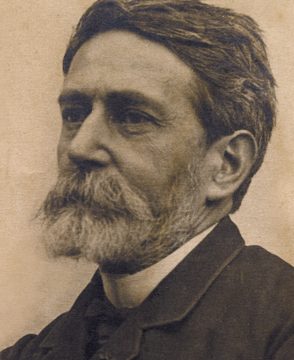
Otto Wagner 1841 – 1918
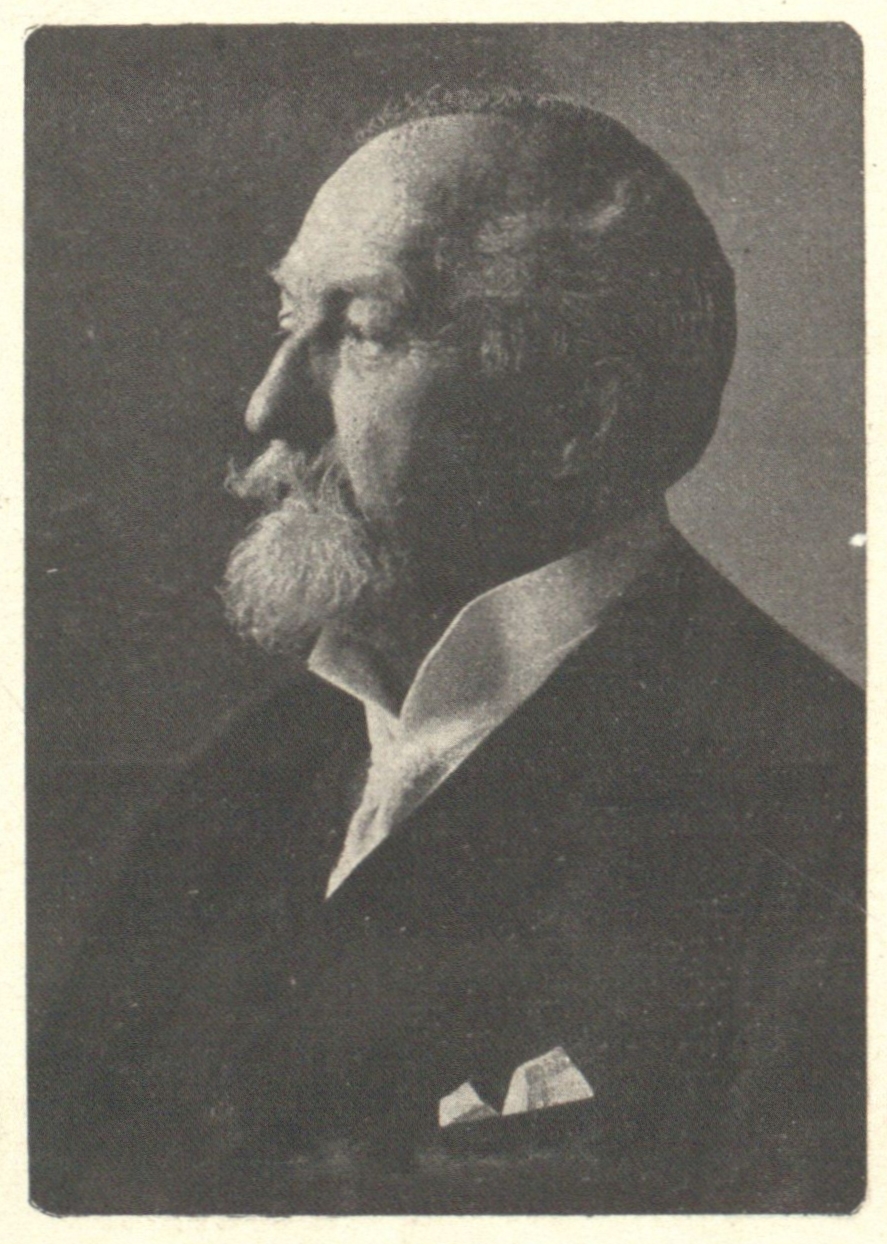
Biography
Otto Wagner revolutionized Vienna’s skyline and urban vision during the late 1800s and early 1900s, emerging as one of Austria’s most visionary architects. Born in 1841, he transformed from a classically trained designer into a modernist pioneer who believed architecture should serve the everyday citizen—not just the elite. His bold reimagining of Vienna’s public transportation system and residential districts made him a cultural heavyweight who shaped how an entire city looked and functioned.
Wagner’s influence extended far beyond blueprints. He championed the idea that modern design should be accessible, practical, and unapologetically contemporary, helping to define the Austro-Hungarian aesthetic during a pivotal moment in European architecture. His buildings became landmarks that challenged conventional thinking and inspired generations of designers across the continent. Working tirelessly through decades of creative innovation, Wagner proved that architecture could be both democratic and daring.
The legendary architect died in Vienna on April 11, 1918, at seventy-six, during the catastrophic global flu pandemic. His grave in Hietzing stands as a final monument to a man who spent his life building lasting beauty into the urban fabric—a legacy that continues to captivate architects and city-dwellers alike.
More Images

Cemetery Map
View larger map →Satellite overview of the cemetery grounds.