Paul Sérusier 1864 – 1927
Biography
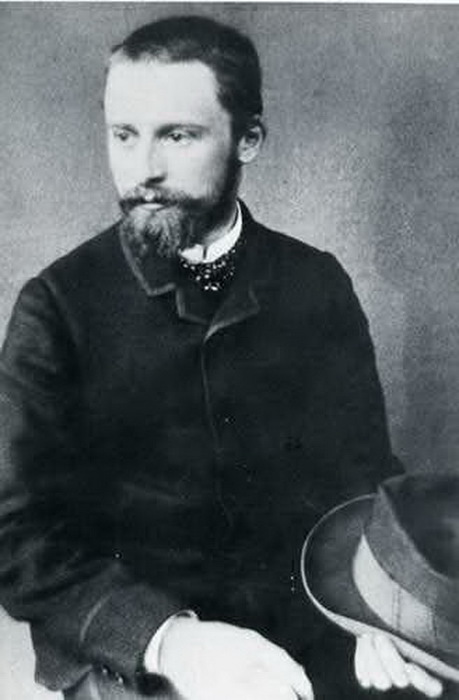
Born into Paris’s golden age of artistic ferment, Paul Sérusier emerged as a pivotal force in late-nineteenth-century modernism. This French painter became a catalyst for revolutionary visual thinking, engaging boldly with the experimental currents reshaping European art. His commitment to pushing beyond convention established him as a bridge between tradition and the avant-garde movements that would define the twentieth century.
Sérusier’s career burned with creative intensity, as he navigated the rich landscape of French visual culture during an era of unprecedented artistic exploration. He wasn’t content to follow established paths—instead, he actively shaped the dialogue around what painting could become, leaving fingerprints on the very foundation of modern art’s development.
When Sérusier died in Morlaix in October 1927, French art lost a visionary who had dedicated his entire life to the language of color and form. His influence rippled forward through generations of artists, proving that his greatest masterpiece wasn’t any single canvas—it was the new way of seeing he gifted to the world.