Pierre de Coubertin 1863 – 1937
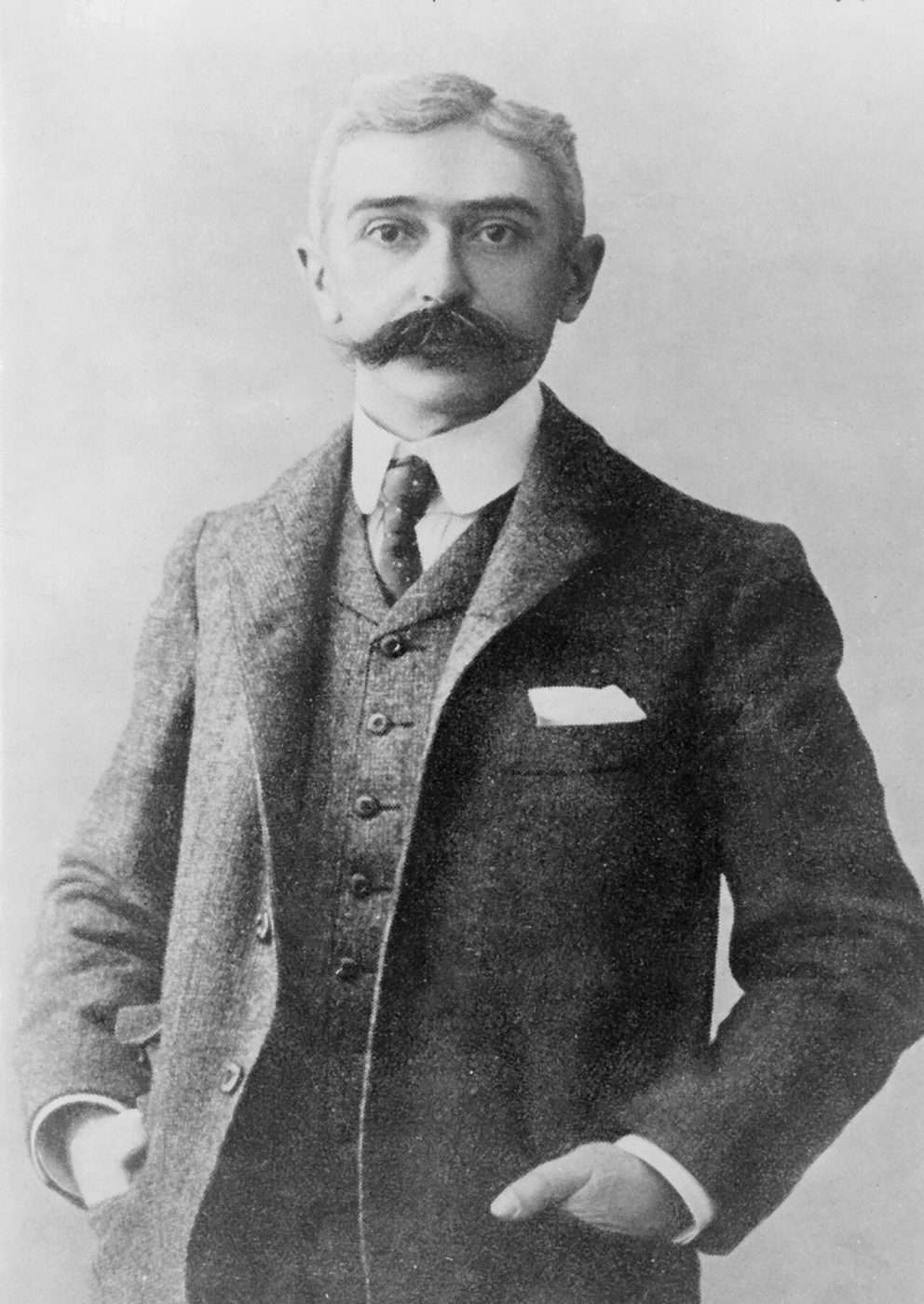
Biography
A Parisian visionary born into 19th-century privilege, Pierre de Coubertin transformed himself into the architect of global unity through sport. Rejecting the narrow constraints of his era’s education system, he championed a radical idea: that athletic competition could bridge nations and elevate human potential. His masterwork—reviving the Olympic Games in 1896—wasn’t merely about medals and records. Coubertin engineered a cultural revolution, creating the world’s most powerful platform for peaceful international dialogue and competition.
Beyond the stadium, he wielded his pen as a historian and educational reformer, reshaping how societies understood the connection between physical training and moral development. His philosophy rippled through pedagogy and diplomacy alike, influencing how nations would approach youth development and cross-cultural exchange for generations. Whether writing about sport’s transformative power or strategizing to build Olympic infrastructure, Coubertin operated with missionary zeal.
He spent his final chapter in Geneva, that Swiss capital of international cooperation, before passing in 1937 at seventy-four. Buried in Lausanne at Bois-de-Vaux Cemetery, Coubertin’s true monument towers far grander: the Olympic torch, still lit every four years, burning with the dream of one determined man who believed sport could make the world whole.
Cemetery Map
View larger map →Satellite overview of the cemetery grounds.