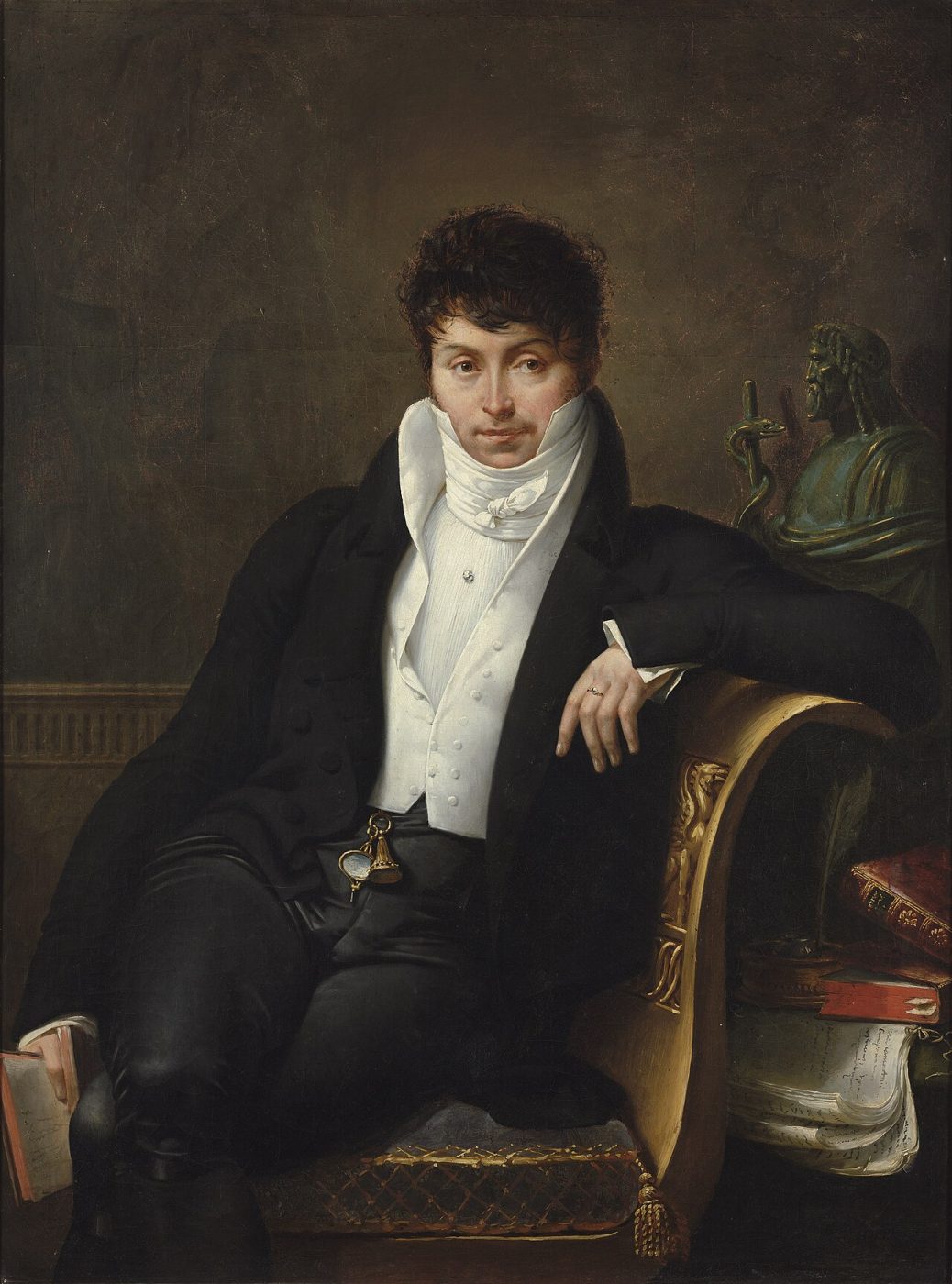
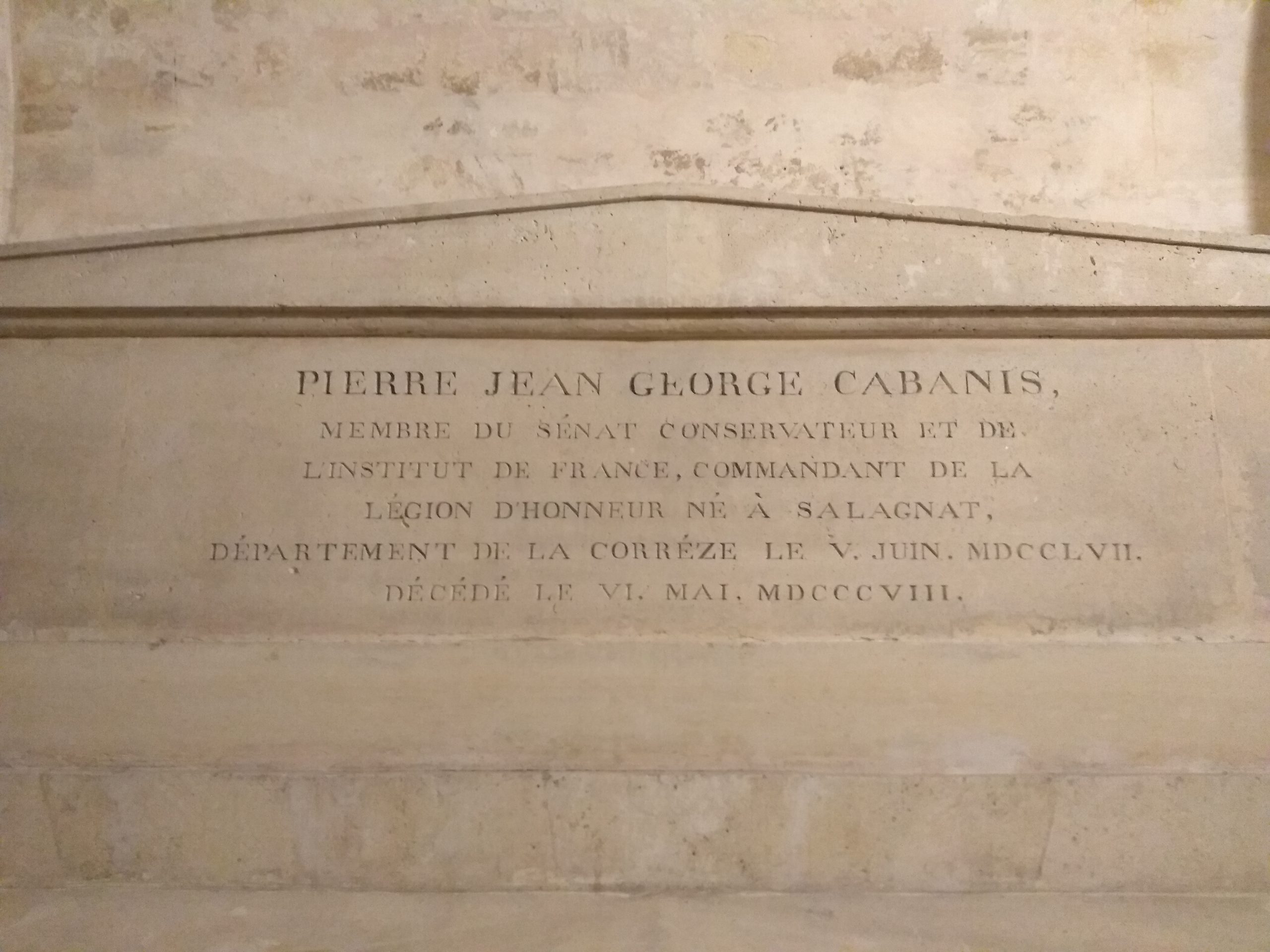
Pierre Jean George Cabanis 1757 – 1808
Biography
Born into provincial France in 1757, Pierre Jean George Cabanis became one of the Enlightenment’s most provocative voices by daring to ask: what if the mind isn’t separate from the body at all? This radical physiologist and philosopher revolutionized how thinkers approached consciousness itself, positioning him at the white-hot center of Paris’s intellectual elite during the late 1700s.
Cabanis made his mark by refusing to accept the comfortable divide between physical science and philosophical inquiry. He investigated the raw mechanics of human physiology while simultaneously exploring how bodily processes shaped thought, sensation, and identity. His work as a materialist philosopher wasn’t abstract theorizing—it was grounded in rigorous scientific observation, making him a bridge figure between emerging modern physiology and Enlightenment philosophy.
Based in Paris at the height of intellectual ferment, Cabanis spent his career illuminating the profound connection between flesh and consciousness. When he died in 1808 at fifty, his legacy was secure: a thinker who’d fundamentally reframed how science and philosophy could speak to each other, and whose ideas about the mind-body relationship would echo through centuries of subsequent inquiry.
More Images
Cemetery Map
View larger map →Satellite overview of the cemetery grounds.