Primo Levi 1919 – 1987
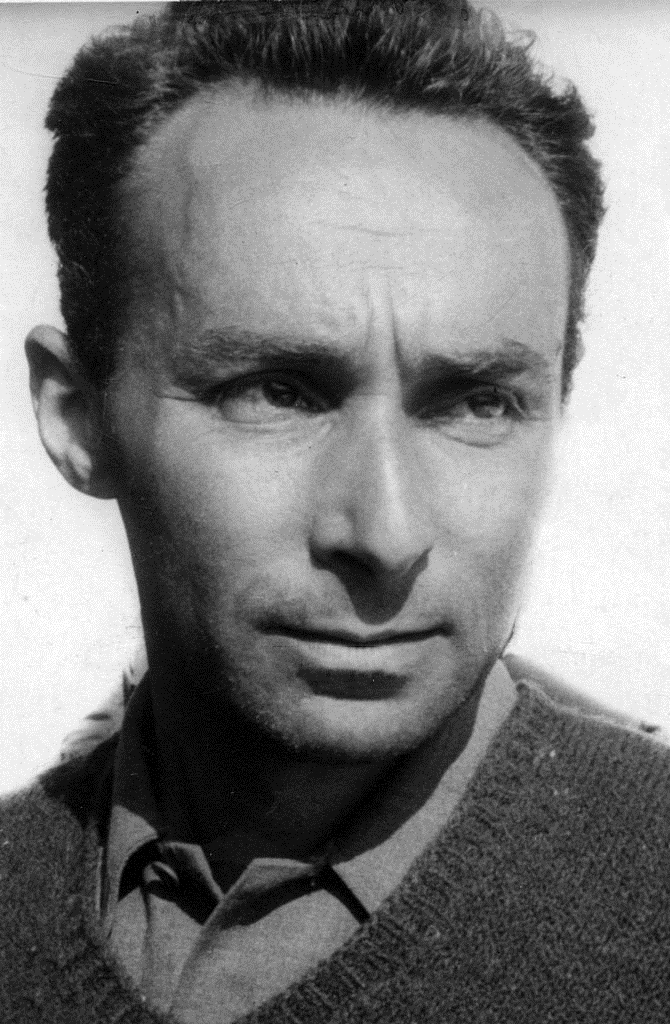
Biography
Primo Levi became the twentieth century’s most unforgettable voice on survival and memory through an unlikely combination of scientific precision and moral clarity. A trained chemist from Turin’s industrial heartland, Levi survived Auschwitz and transformed that catastrophic experience into literature of shattering power. His masterwork *Survival in Auschwitz* didn’t just document horror—it created an entirely new language for bearing witness, blending clinical observation with devastating humanity. Levi proved that a survivor could be both scrupulously honest and profoundly humane.
Beyond the camps, Levi embodied the complete intellectual: partisan fighter, industrial chemist, poet, essayist, and storyteller. He refused to let Auschwitz define all of him, yet he never looked away from what he’d endured. His writings became essential testimony, shaping how the world understood the Holocaust’s scale and meaning. Every page carried the weight of someone determined that such atrocity would never be forgotten or explained away.
Levi died in Turin in 1987, the same city where he’d been born, leaving behind a body of work that stands as literature’s most important moral document. His legacy rests not in survival alone, but in having survived to tell the truth—unflinchingly, beautifully, and with an urgency that still cuts across decades.
Cemetery Map
View larger map →Satellite overview of the cemetery grounds.