Prince Albert of Saxe-Coburg and Gotha 1819 – 1861
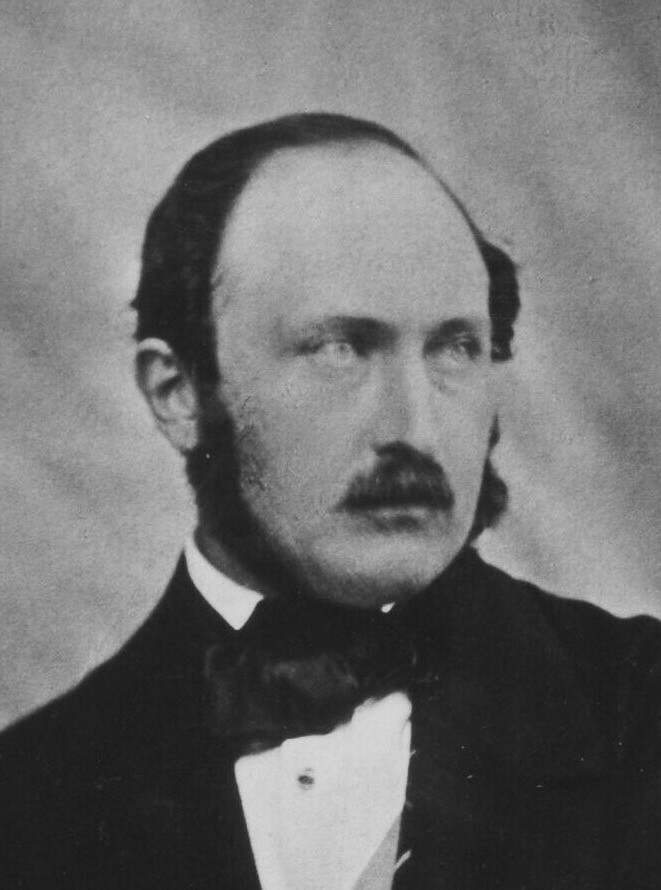
Biography
When Prince Albert arrived in England in 1840 to marry his cousin Queen Victoria, few could have predicted he’d become the visionary force that defined an era. Born in the German principality of Saxe-Coburg and Gotha, Albert brought intellectual rigor and genuine progressive ideals to a skeptical British public. What initially read as foreign stiffness gradually revealed itself as earnest dedication—and the nation fell in line.
For twenty-one years, Albert engineered Britain’s cultural renaissance. He masterminded the Great Exhibition of 1851, a breathtaking showcase of innovation that announced to the world that this was the age of industry and possibility. But his real genius lay in rebranding royalty itself: creating a model of intellectual engagement and domestic devotion that made the monarchy feel both aspirational and human. Victoria wasn’t just his queen; she was his partner in reshaping what power could mean.
Typhoid fever claimed him on December 14, 1861, at just forty-two, shattering a nation and leaving Victoria inconsolable for the rest of her reign. He never lived to see how thoroughly his vision had taken root—how his fingerprints would remain on British culture for generations. Windsor’s St George’s Chapel holds his remains, but his real legacy lives in every institution he touched.
Cemetery Map
View larger map →Satellite overview of the cemetery grounds.