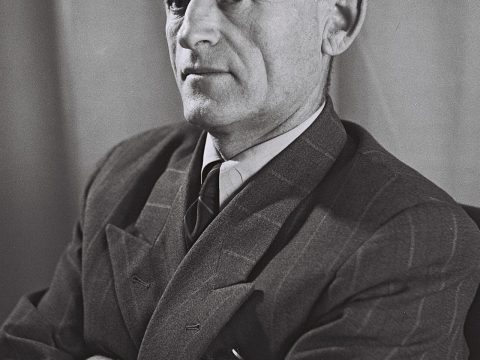
Qazi Muhammad 1893 – 1947
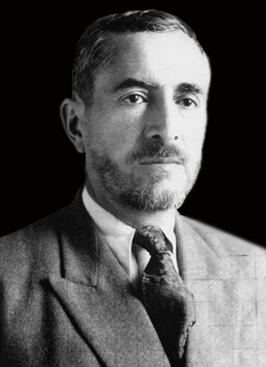
Biography
Born in the mountainous heart of Kurdistan, Qazi Muhammad emerged as a visionary leader who dared to dream of Kurdish autonomy at a pivotal moment in Middle Eastern history. In 1946, he founded and led the Republic of Mahabad, a groundbreaking attempt to establish Kurdish self-governance that captured the imagination of an entire people. Though short-lived, this bold experiment represented the first modern Kurdish state—a daring political gamble that challenged regional powers and inspired generations.
Muhammad’s leadership of Mahabad symbolized Kurdish aspirations for dignity and self-determination during a turbulent era when few dared challenge the status quo. He remained steadfastly committed to his vision, never wavering from his principles even as external pressures mounted. On March 31, 1947, just months after his republic’s founding, Muhammad was executed in his native city—a brutal end to a life devoted entirely to his people’s liberation.
Though his republic lasted only eleven months, Qazi Muhammad’s legacy looms large in Kurdish memory. He remains an enduring symbol of resistance and courage, the founder of a dream that refused to die with him.