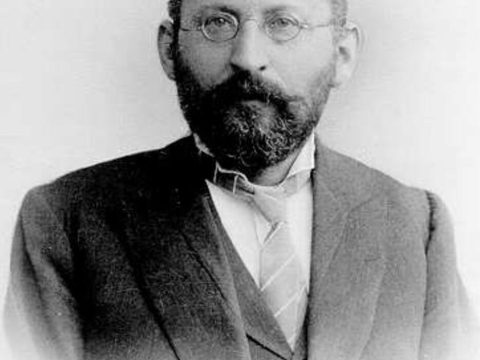
Rajiv Gandhi 1944 – 1991

Biography
India’s youngest Prime Minister, Rajiv Gandhi thrust the nation into a technological revolution when he assumed office in 1984 at just forty years old. Born into India’s most storied political dynasty, Gandhi modernized a bureaucratic apparatus mired in outdated systems, championing computer literacy and telecommunications infrastructure that would reshape the country’s future. His tenure marked a bold pivot toward economic liberalization and technological advancement—a vision that positioned India on the global stage during a pivotal moment in its development.
On May 21, 1991, an explosion in Sriperumbudur brutally ended Gandhi’s life at forty-six, stunning a nation that had watched him navigate complex geopolitical waters and domestic transformation. The assassination sent shockwaves through India’s political establishment and left unfinished the modernization agenda he’d set in motion.
Gandhi’s legacy endures at Raj Ghat and associated memorials in Delhi, where visitors contemplate a leader whose abbreviated tenure left an outsized imprint on contemporary India’s trajectory toward technological progress and democratic evolution.
Cemetery Map
View larger map →Satellite overview of the cemetery grounds.