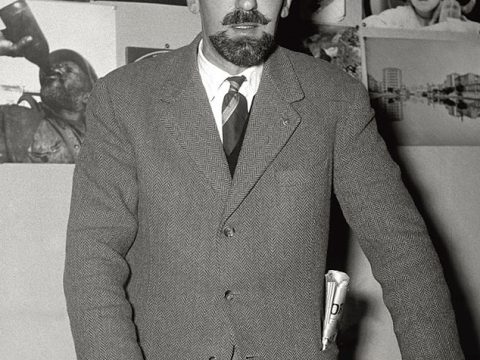
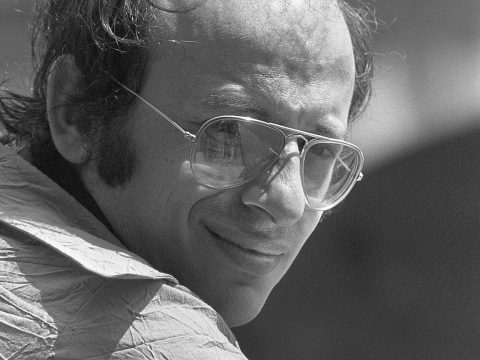
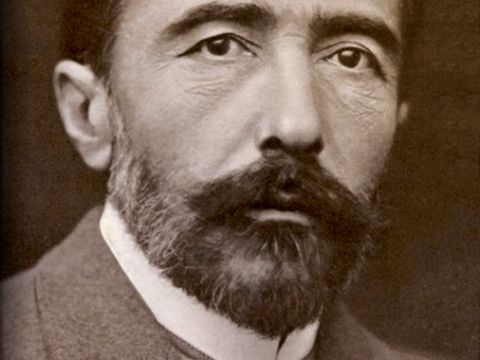
Reinhart Koselleck 1923 – 2006
Biography
Born in Görlitz in 1923, Reinhart Koselleck revolutionized how historians think about the very foundations of their discipline. Rather than simply chronicling events, this German intellectual became obsessed with a radical question: how do language and concepts themselves shape our understanding of history? His groundbreaking work transformed historical methodology, proving that the words we use to describe the past aren’t neutral tools but powerful forces that actively construct meaning.
Koselleck’s intellectual rigor and philosophical depth set him apart from conventional historians, making him one of the twentieth century’s most influential German scholars. He didn’t just analyze what happened—he interrogated *how* societies experience time, remember, and interpret their own trajectories. His ideas rippled across disciplines, captivating generations of historians and scholars hungry for deeper theoretical frameworks.
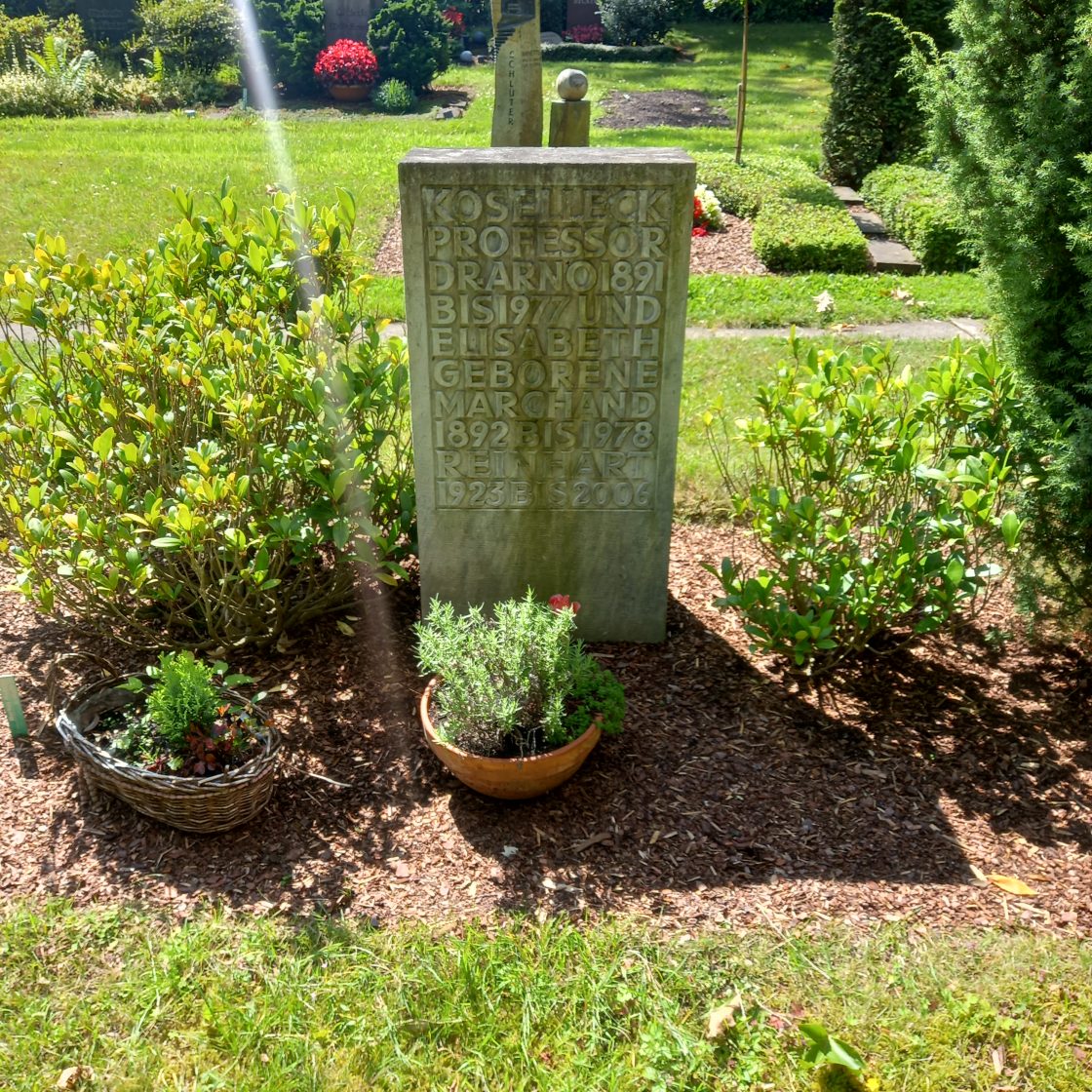
When Koselleck died in 2006, he left behind a transformative body of work that continues reshaping historical thinking worldwide. His final years in Bad Oeynhausen gave way to rest in Stieghorst, but his intellectual legacy endures—a testament to one man’s conviction that understanding history means understanding the profound power of concepts themselves.
Cemetery Map
View larger map →Satellite overview of the cemetery grounds.