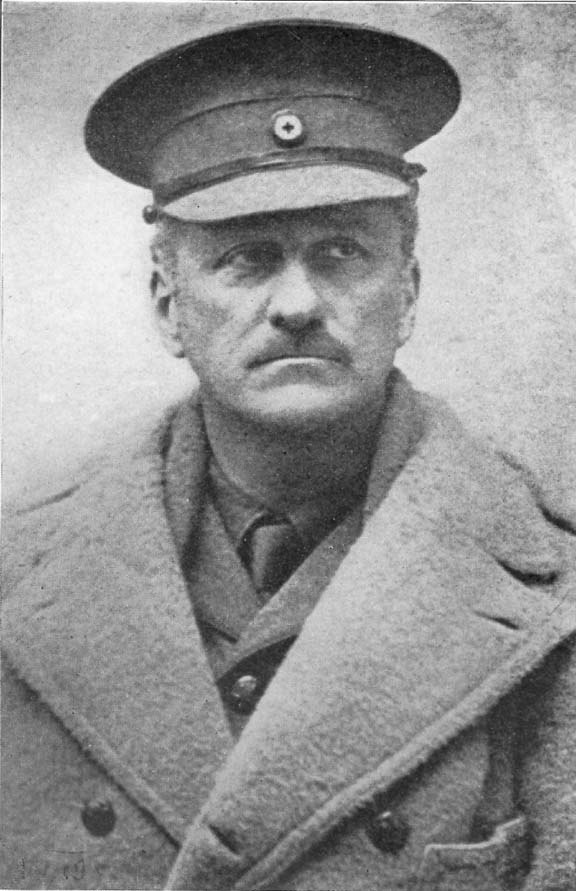
Robert Bacon 1860 – 1919
Biography
Robert Bacon became a cornerstone of early twentieth-century American diplomacy, ascending to the top echelons of State Department power when the U.S. was asserting itself as a global force. His appointment as Secretary of State positioned him at the nerve center of international affairs, where he navigated the delicate diplomacy of an expanding American empire. Bacon’s influence extended far beyond Washington—his subsequent ambassadorship to France cemented his reputation as a master of high-stakes foreign relations during a transformative moment in transatlantic relations.
Born into privilege in Massachusetts in 1860, Bacon embodied the progressive-era diplomat: educated, connected, and committed to advancing American interests on the world stage. His career unfolded against the backdrop of America’s meteoric rise to power, making him an essential architect of early twentieth-century foreign policy. Bacon died in 1919 at fifty-eight, felled by sepsis, and was buried at Mount Auburn Cemetery—his passing marking the end of an influential chapter in American diplomatic history.
Cemetery Map
View larger map →Satellite overview of the cemetery grounds.