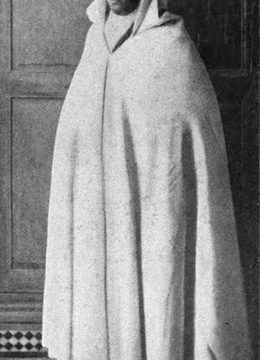
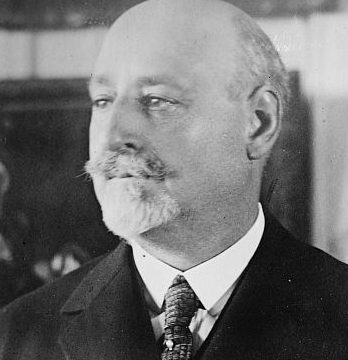
Roger Casement 1864 – 1916
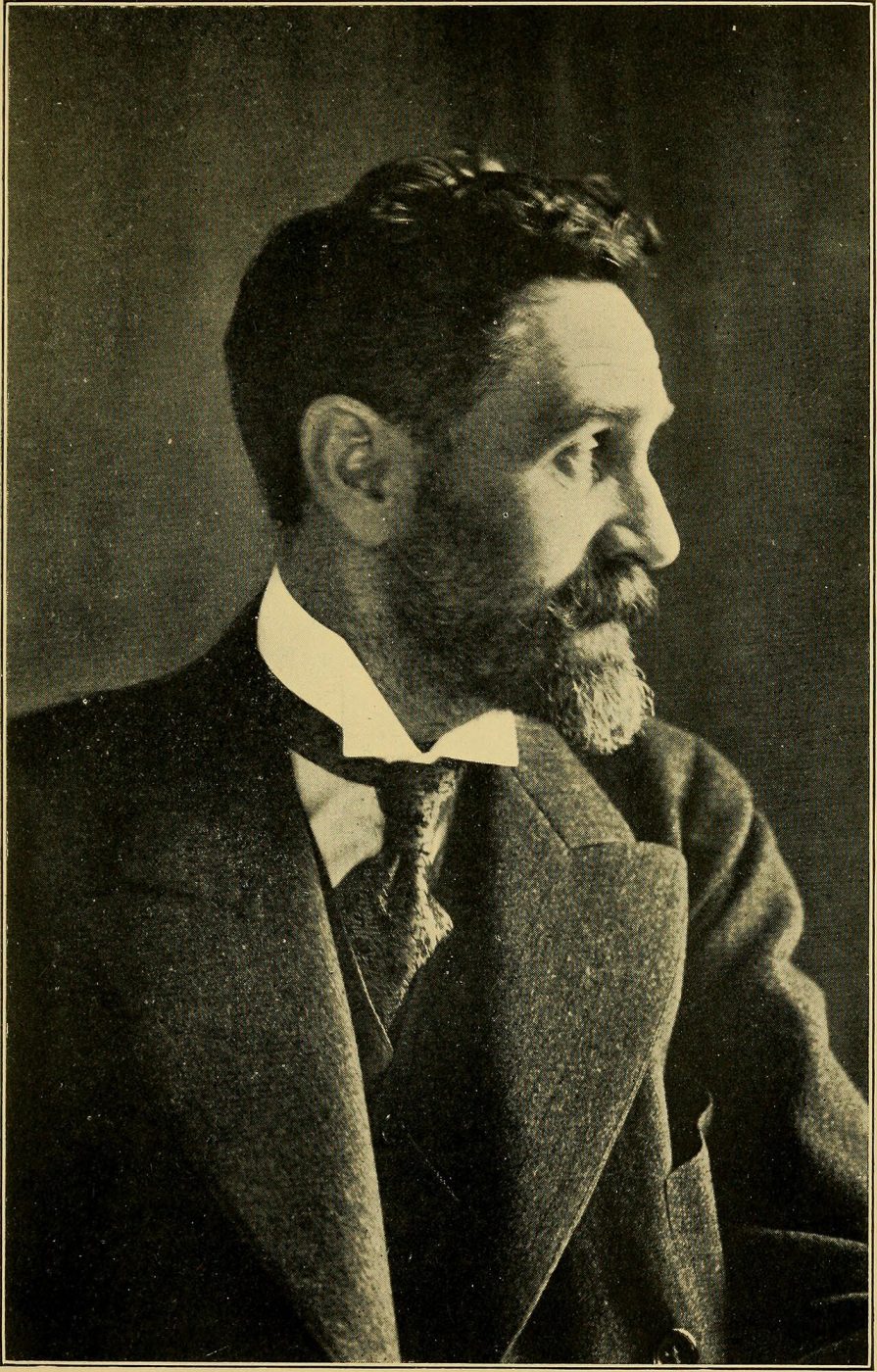
Biography
Roger Casement burned bright as Ireland’s conscience—a diplomat-turned-revolutionary who exposed colonial brutality on the world stage before becoming a martyr for Irish independence. Born in 1864, he built an electrifying career exposing atrocities in the Congo and Peru, earning a knighthood for his humanitarian work. But Casement’s true fire burned for Ireland’s freedom. His poetry crackled with nationalist fervor, and by 1916, he was orchestrating arms shipments for the Easter Rising, convinced armed rebellion was the only path to sovereignty.
The British arrested him before the uprising even began. On August 3, 1916, they hanged him at Pentonville Prison in London—a calculated move that backfired spectacularly. What authorities intended as a warning became a rallying cry. Casement’s execution transformed him into Irish nationalism’s most powerful symbol, his face immortalized on rebel posters and in the hearts of a generation fighting for independence.
Today he rests at Glasnevin Cemetery in Dublin, claimed as a hero by the nation he died trying to liberate. A complex figure—idealist, activist, poet—Casement proved that one person’s unshakeable conviction could reshape history.
More Images
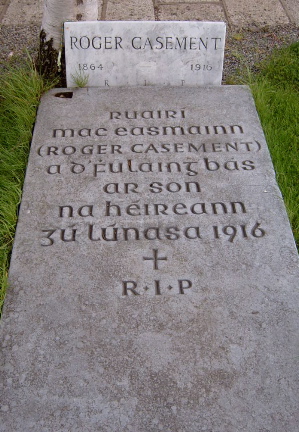
Cemetery Map
View larger map →Satellite overview of the cemetery grounds.