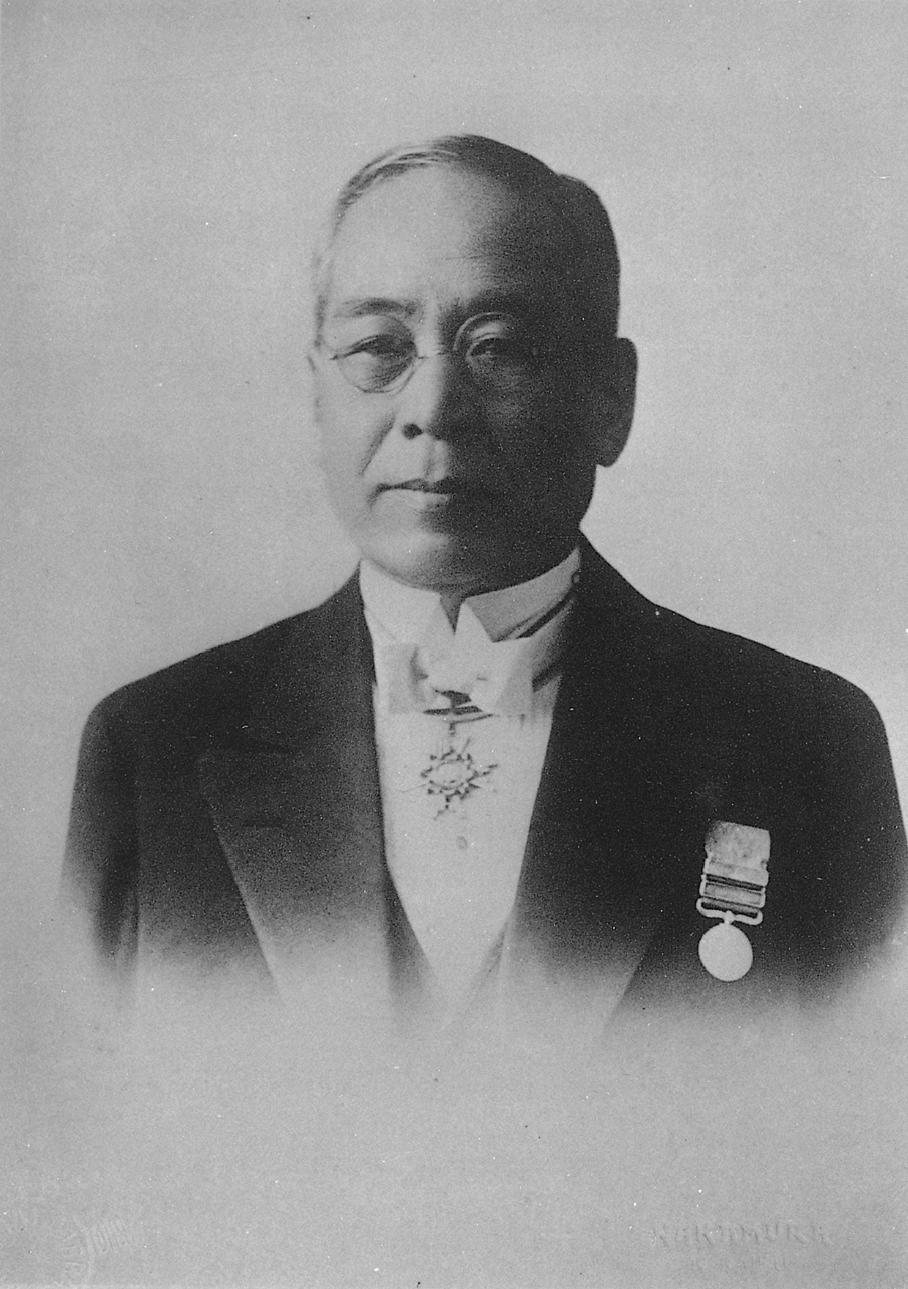
Sakichi Toyoda 1867 – 1930
Biography
Sakichi Toyoda arrived in Japan’s industrial revolution as a visionary inventor who refused to accept manufacturing as it was. Born in 1867 during Japan’s modernization sprint, Toyoda became the architect of innovations that transformed how the nation’s factories operated. His mechanical genius and relentless drive to solve manufacturing challenges didn’t just improve production—they redefined Japan’s industrial identity during a pivotal era of national transformation.
Over decades of tireless work, Toyoda established ventures that reflected his radical vision for progress, building enterprises from the ground up through sheer innovation and determination. He understood machinery the way poets understand words, translating mechanical problems into elegant solutions that rippled across Japanese industry. His legacy wasn’t just built on patents; it was cemented through the thriving businesses and manufacturing culture he cultivated.
Toyoda died on October 30, 1930, at sixty-three, succumbing to pneumonia in Kakuōzan. He was laid to rest at Nittai-ji Temple, but his fingerprints remained everywhere—embedded in factories, embedded in Japan’s industrial consciousness. The innovations he pioneered outlived him by generations, cementing his status as one of the architects of modern Japanese manufacturing.
Cemetery Map
View larger map →Satellite overview of the cemetery grounds.