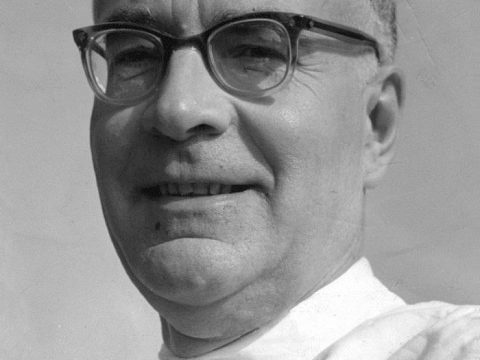
Samuel Finley Breese Morse 1791 – 1872

Biography
Samuel Morse transformed communication itself. The inventor-artist revolutionized how humanity stayed connected, developing the electromagnetic telegraph and the ingenious dot-dash code bearing his name. But before wires and signals changed the world, Morse was already making waves as a accomplished painter, founding the National Academy of Design and cementing his place in American artistic circles. His rare genius straddled two worlds—the studio and the laboratory—proving that artistic vision and technological innovation weren’t opposing forces but complementary expressions of creative brilliance.
Morse’s telegraph became the internet of the nineteenth century, shrinking distances and accelerating commerce, news, and human connection across continents. The Morse code he devised remains legendary, a binary language so elegant it outlasted the technology that spawned it. Few figures have shaped civilization so profoundly across multiple disciplines, blending aesthetic mastery with practical genius in ways that few before or since have managed.
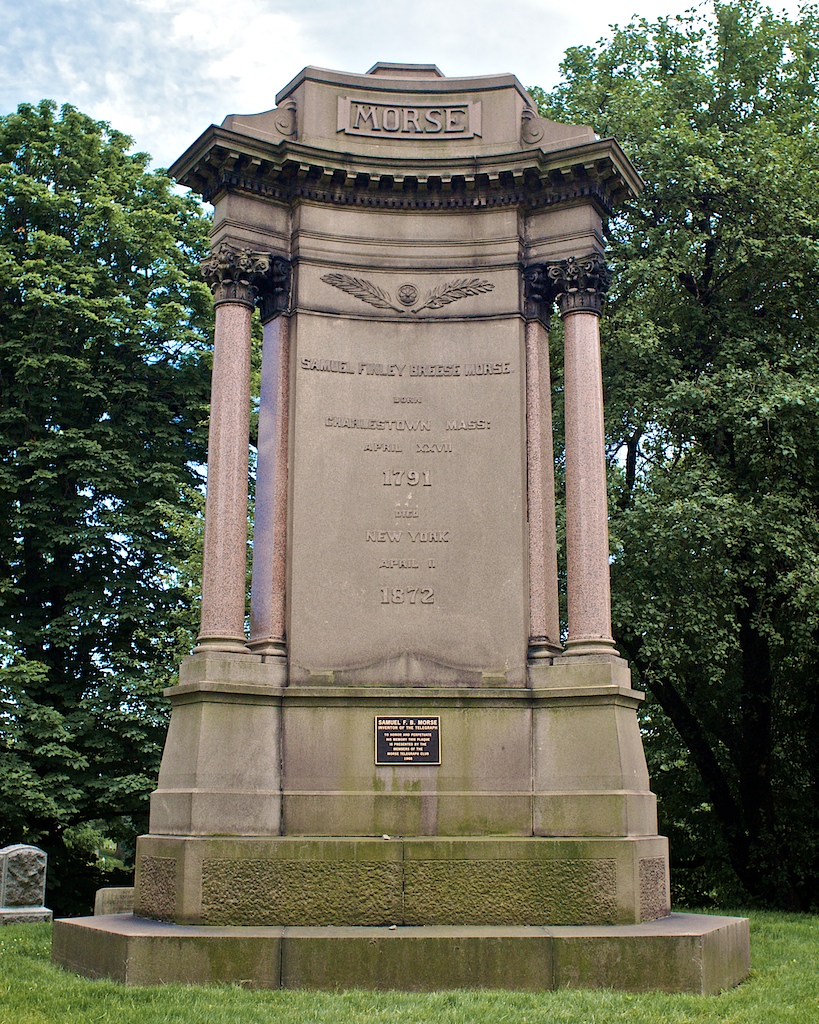
The trailblazer died on April 2, 1872, in Manhattan, felled by pneumonia at eighty years old. He was interred at Green-Wood Cemetery in Brooklyn, his legacy secure: a man who taught the world to talk across impossible distances, and who proved that art and science could dance together brilliantly.
More Images
Cemetery Map
View larger map →Satellite overview of the cemetery grounds.