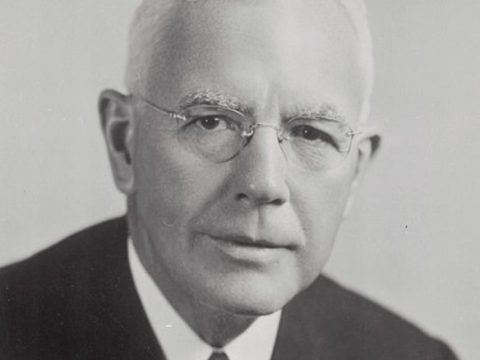
Sayyid Qutb 1906 – 1966

Biography
Born in rural Egypt in 1906, Sayyid Qutb rose to become one of the Arab world’s most influential political theorists, wielding his pen as a weapon against what he saw as cultural and ideological corruption. His prolific writings—spanning literary criticism, philosophy, and radical political theory—ignited fierce debate across intellectual circles and inspired movements far beyond Egypt’s borders. Qutb’s uncompromising vision of social and political transformation captivated readers who craved an alternative to Western-dominated thinking, cementing his status as a towering intellectual force of the twentieth century.
His life was a study in conviction over compromise. Qutb refused to soften his ideas despite mounting pressure from authorities, viewing his beliefs as non-negotiable truths worth any personal cost. This steadfast commitment to his vision—however controversial—defined his legacy as a thinker willing to challenge the political establishment itself.
On August 29, 1966, the Egyptian government executed Qutb by hanging, silencing one of the era’s most polarizing voices. But his death couldn’t extinguish his influence. Decades later, scholars, activists, and students worldwide still grapple with his writings, debating their implications and power. Qutb remains a towering, contested figure whose intellectual legacy continues to shape political and philosophical discourse.