Shō Tai 1843 – 1901
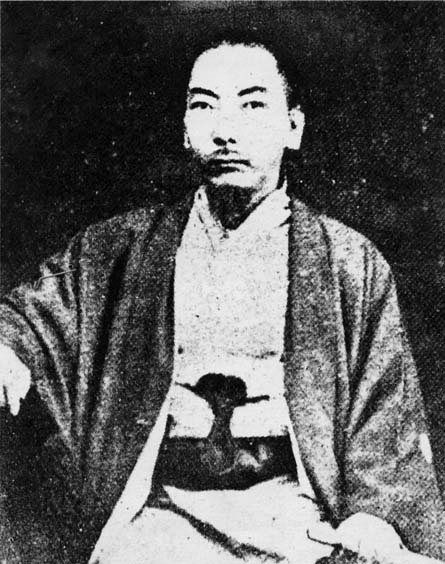
Biography
Born into Shuri Castle during a nation’s crisis, Shō Tai became the last king of the Ryūkyū Kingdom—a position that thrust him into one of East Asia’s most dramatic historical upheavals. As external powers circled and internal pressures mounted, he inherited not just a throne but the impossible task of preserving centuries of royal tradition while his world fundamentally fractured around him.
Shō Tai’s reign embodied a tragic paradox: he was simultaneously guardian of an ancient dynasty and witness to its twilight. As the Ryūkyū Kingdom faced existential challenges that would ultimately reshape its political identity, he navigated treacherous waters with the weight of his people’s sovereignty and cultural survival on his shoulders. His life spanned nearly fifty-eight years of consequence, making him a pivotal figure in one of history’s most wrenching transitions.
Though his kingdom could not endure in its traditional form, Shō Tai’s legacy transcends political boundaries. He remains a symbol of the Ryūkyū people’s resilience and their refusal to let their distinct cultural identity fade into history. His memory endures as testament to a kingdom’s complexity and the human cost of historical transformation.