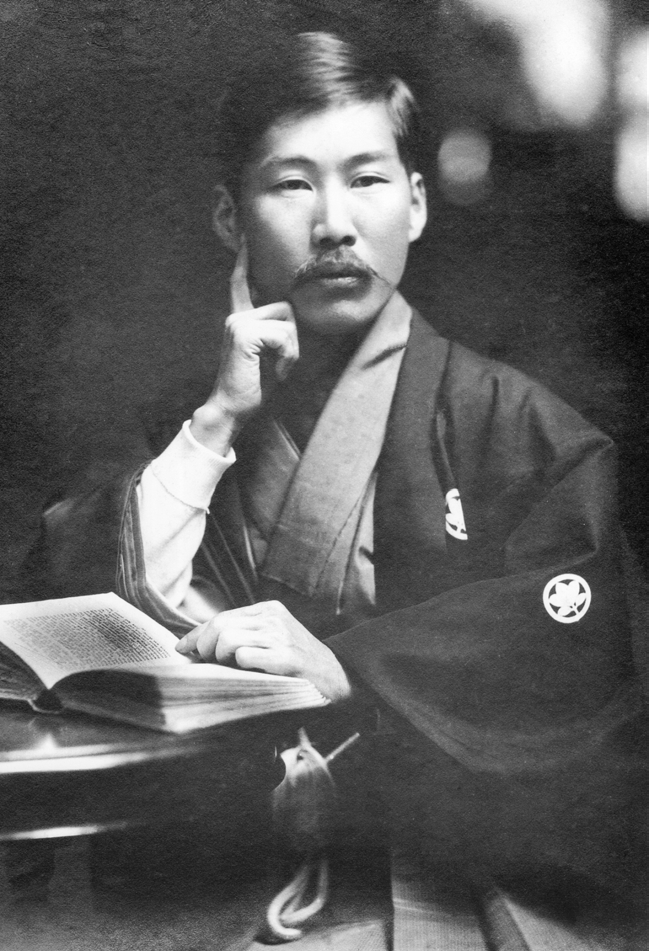
Shūsui Kōtoku 1871 – 1911
Biography
Shūsui Kōtoku was born on November 5, 1871, in Nakamura, Japan, during a period of significant social and political transformation. He would become known as a prominent Japanese anarchist, dedicating his life to challenging the established political order of his time. His intellectual pursuits and passionate advocacy for radical social change marked him as a influential, though controversial, figure in early modern Japanese history.
Kōtoku’s commitment to anarchist ideals made him a polarizing presence in Japanese society at the turn of the twentieth century. He engaged deeply with political philosophy and activism, working to promote alternative visions for social organization. His work reflected the broader intellectual currents of the era, as Japanese thinkers grappled with modernization, Western influence, and questions of justice and equality.
On January 24, 1911, Kōtoku’s life came to an end at Ichigaya Prison, where he was executed by hanging. His death marked a tragic conclusion to a life spent in pursuit of his convictions. Though his life was cut short, Kōtoku’s legacy endured as an important chapter in the history of anarchist thought and activism in Japan, representing a distinctive moment in the nation’s intellectual and political development.