Sibylla of Anjou 1112 – 1165
Biography
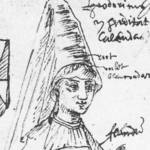
Born into the illustrious House of Anjou on January 1, 1112, Sibylla ascended to one of medieval Europe’s most prestigious titles: Countess of Flanders. Her position placed her at the heart of twelfth-century political intrigue, where she navigated the treacherous landscape of noble alliances and territorial governance during an era defined by Crusades and feudal transformation. As Countess, Sibylla wielded considerable influence over her lands and became a crucial link between powerful regional dynasties.
Though historical records remain tantalizingly sparse about her personal life, Sibylla’s rank and responsibilities reveal a woman of genuine consequence in her world. She would have managed vast estates, orchestrated strategic family partnerships, and shaped the destinies of her territories during one of Europe’s most dynamic centuries. Her life embodied the intricate dance of medieval nobility—where birth, duty, and dynastic obligation intertwined.
Sibylla died on January 1, 1165, in Bethany at fifty-three, her birth and death falling on the same calendar date—a rare symmetry that lends her life an almost poetic resonance. While the specifics of her existence have largely vanished into history’s fog, her legacy persists through the great families she connected and the lands she stewarded.