Sikandar Khan Lodi 1458 – 1517
Biography
He ruled Delhi for nearly three decades, and his name became synonymous with one of the sultanate’s most consequential eras. Sikandar Khan Lodi ascended to power in 1489, transforming himself into a commanding force across medieval India’s fractious political landscape. His twenty-eight-year reign wasn’t merely about holding territory—it was about redefining what leadership meant during a period of profound cultural and political upheaval.
Lodi’s tenure as Sultan tested his mettle constantly. Navigating the treacherous currents of sultanate politics, he consolidated power with an iron grip while the kingdom around him shifted and evolved. His administration became a model of organizational dedication during an era when regional powers jostled for supremacy. Every decree, every strategic decision rippled outward, shaping the Delhi Sultanate’s trajectory for generations to come.
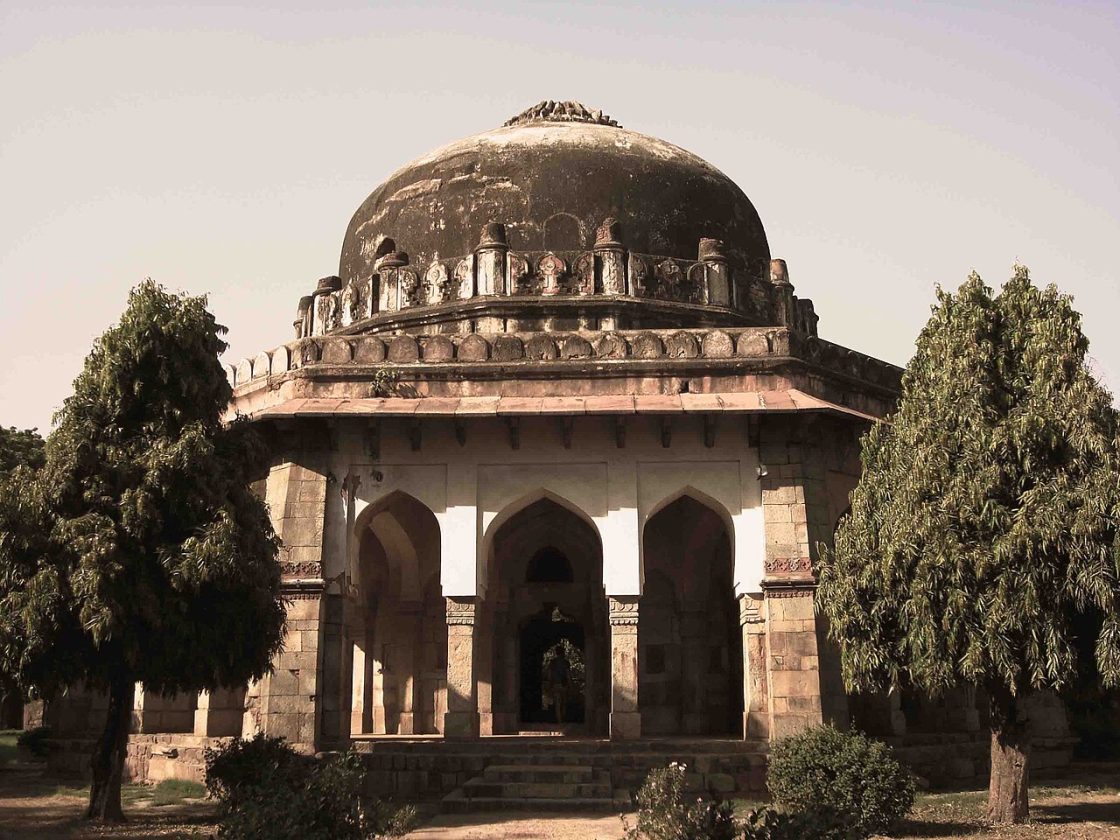
When Lodi died in 1517, his legacy didn’t vanish with him. His tomb in Lodi Gardens became an architectural anchor in Delhi’s landscape, a monument to his three-decade dominion. The gardens themselves transformed into living history, preserving his memory while witnessing centuries of India’s unfolding story.
More Images

Cemetery Map
View larger map →Satellite overview of the cemetery grounds.