Souvanna Phouma 1901 – 1984
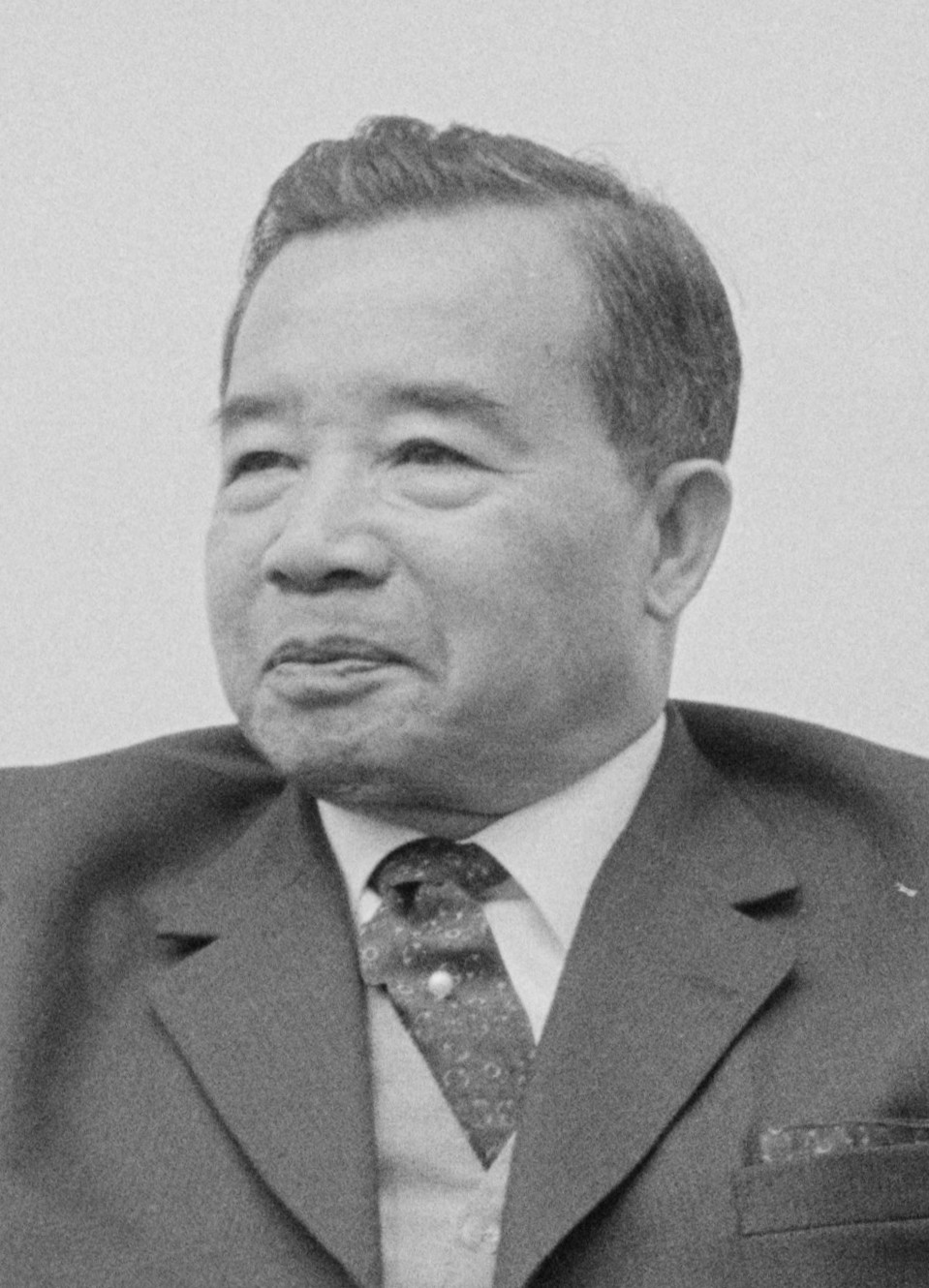
Biography
Born into Luang Prabang’s royal circles in 1901, Souvanna Phouma became the architect of modern Laos, commanding the nation’s political stage as Prime Minister during its most turbulent decades. He was the man tasked with an impossible balancing act—steering a small Southeast Asian nation through the treacherous currents of Cold War geopolitics when superpowers circled like sharks. His diplomatic finesse and political acumen made him the face of Lao sovereignty at a moment when independence itself hung in the balance.
Souvanna Phouma’s long career saw him navigate colonial legacies, chart a course toward nationhood, and confront the pressures that would ultimately reshape his country. For generations of Laotians, he represented the nation’s aspirations during its most formative years. When he died in Vientiane on January 10, 1984, at 82, he left behind a complex political legacy—a leader who had fought to keep his country standing amid forces far larger than itself, embodying the struggle of small nations to find their voice in a divided world.