
Söyembikä of Kazan 1516 – 1554
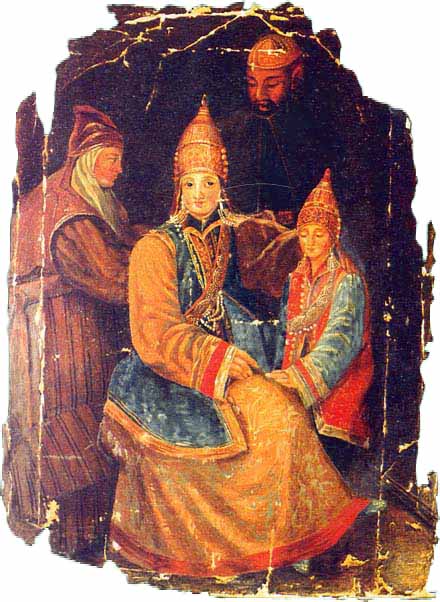
Biography
In sixteenth-century Eastern Europe, few women commanded the political stage that Söyembikä claimed as Regent of the Kazan Khanate. Born into a pivotal era in 1516, she rose through one of the major Turkic powers, wielding authority during a time when female leadership remained exceptional. Her presence at the helm of the Khanate spoke volumes about her political savvy and the confidence she inspired among the region’s ruling class—no small feat in an age of fierce territorial ambition and constant power shifts.
Little survives about the specifics of her governance or the reforms she pushed, yet the mere fact of her regency marks Söyembikä as a consequential player in the geopolitics of her world. As a woman navigating the complex demands of leadership in sixteenth-century Central Asia, she transcended the constraints typically imposed on her gender. Her thirty-eight-year lifespan, concluding in Kasimov in 1554, represented a quiet but undeniable force in an era rarely remembered for its female power brokers—making her a tantalizing gap in history worth reclaiming.