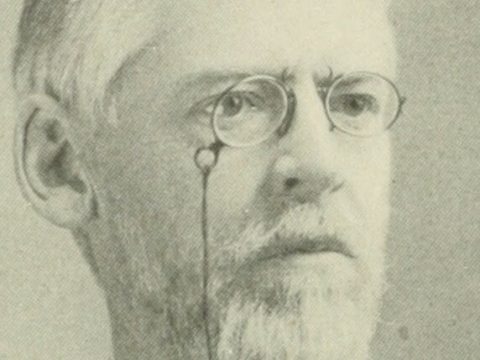
Stein Rokkan 1921 – 1979

Biography
Born on Norwegian independence day in 1921, Stein Rokkan became the architect of modern political science, mapping the invisible forces that make democracies tick. While others sketched broad theories, Rokkan dug into the gritty details—how social divisions become political battlegrounds, how voters actually behave, how nations build their institutions. His work didn’t just describe politics; it explained the machinery underneath.
Working through Europe’s most turbulent century, Rokkan transformed how scholars study electoral systems and democratic structures. He looked at the real world—the cleavages between rich and poor, urban and rural, secular and religious—and showed how these fractures reshape the political landscape. His intellectual fingerprints are everywhere in political science today, from how researchers analyze voting patterns to how they understand party systems across continents.
Rokkan’s influence extended far beyond academic papers. Generations of scholars built careers studying the frameworks he pioneered, examining how societies organize political life through the lens he provided. When he died in Bergen in 1979, he left behind not just research but a lasting methodology—a way of seeing democracy that continues to illuminate how nations balance competing interests and power.