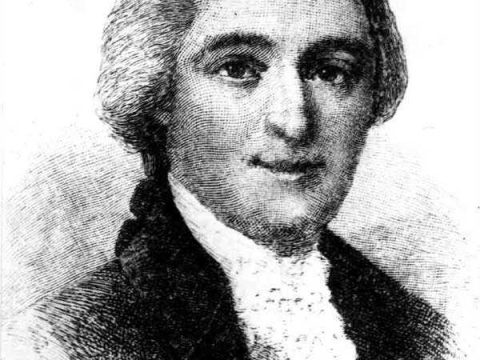
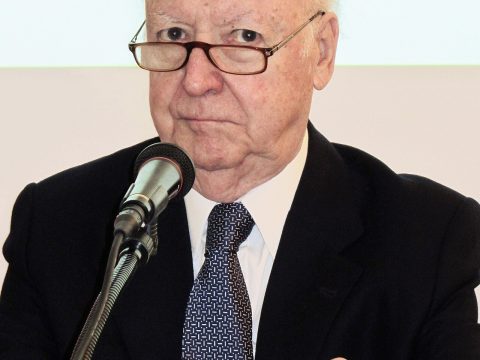
Tafari Benti 1921 – 1977

Biography
Born in Addis Ababa during a pivotal moment in Ethiopian history, Tafari Benti rose through the military ranks to become a commanding figure in his nation’s political landscape. His career spanned decades of transformation, positioning him as a key player during Ethiopia’s most turbulent and defining postwar era. Benti’s military background and administrative acumen made him instrumental in navigating the complex challenges that gripped the Horn of Africa throughout the mid-twentieth century.
As a head of state, Benti wielded considerable influence over Ethiopia’s trajectory during an era when the continent itself was convulsing with change. His tenure reflected the deep tensions of postwar Africa—the push toward modernization against the pull of tradition, the quest for stability amid upheaval. Never straying far from Addis Ababa, he remained rooted in the capital city of his birth, a steadying presence through decades of national flux.
Benti died in his native city on February 3, 1977, at fifty-five, leaving behind a legacy as one of Ethiopia’s most significant twentieth-century military and political figures. His life embodied the struggles of a nation wrestling with independence, modernization, and self-determination during Africa’s most decisive chapter.