Teutobod -200 – -100
Biography
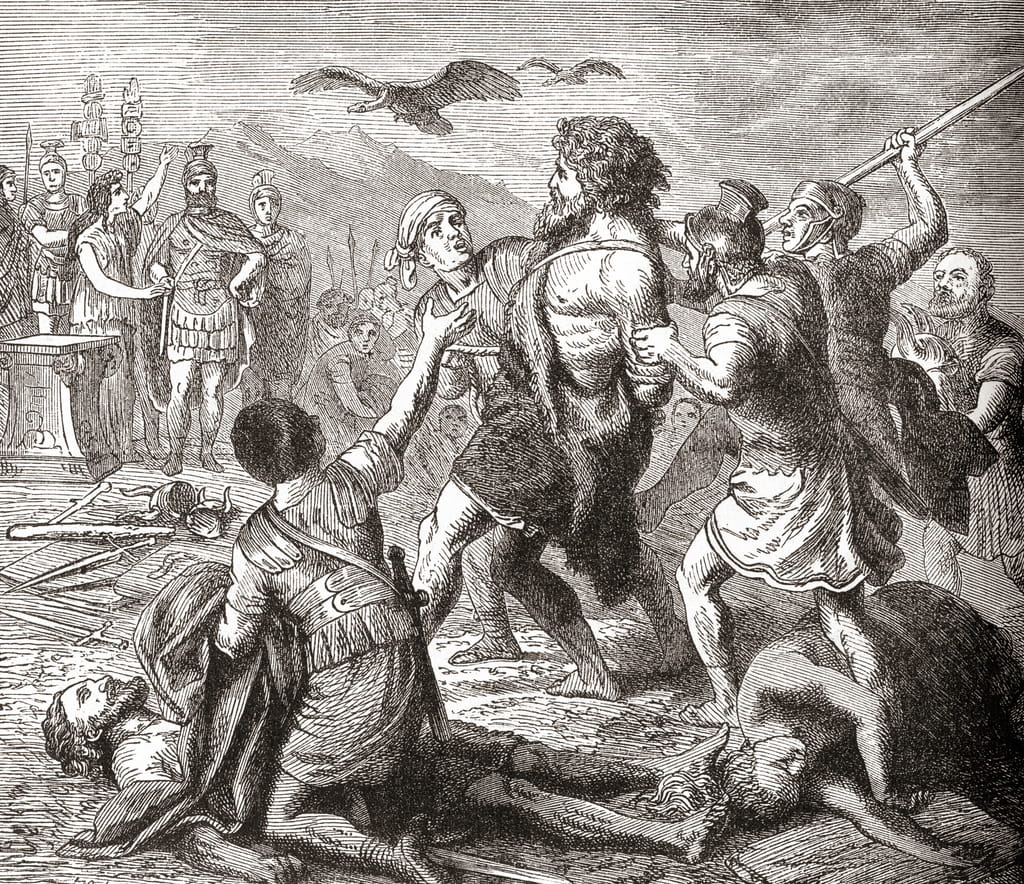
Teutobod was a Teutonic king who lived during the second century before the common era, representing an important figure in the history of Germanic peoples during the classical period. Born on January 1 in the year 200 BC, he emerged during a time when Teutonic tribes were beginning to interact more significantly with the expanding Roman world. Little is known with certainty about his early life or the specific territories he governed, yet his historical significance was substantial enough to be recorded by chroniclers of his time.
Teutobod’s life concluded in Rome on January 1, 100 BC, where he died of asphyxia. His presence in the Roman capital at the time of his death suggests he may have been taken there as a captive or political hostage, a common practice among the Romans when dealing with foreign rulers. The circumstances surrounding his final years remain largely undocumented, as is much of his reign. His burial location was never formally recorded, leaving gaps in our understanding of how his people honored his memory.
Though details of Teutobod’s accomplishments and reign are sparse in historical records, his existence bridges an important period when Germanic tribal leaders and Roman imperial power were drawing closer together, shaping the course of European history for centuries to come.