Thea von Harbou 1888 – 1954

Biography
Thea von Harbou was one of silent cinema’s most visionary architects, a German screenwriter who shaped the visual language of early film during its most explosive creative period. Born in 1888, she became a powerhouse behind the camera, crafting narratives that defined German expressionism and influenced filmmakers across the globe. Her ability to translate complex emotions into purely visual storytelling made her an essential figure in cinema’s transition from novelty to art form.
Von Harbou’s career spanned multiple creative disciplines—she wrote screenplays, penned novels, and acted, bringing sophisticated storytelling to every project she touched. Her work embodied the moody atmospherics and psychological depth that made Weimar-era German cinema legendary. While her name may not be as instantly recognizable as some of her contemporaries, her fingerprints are all over the foundational texts of cinematic modernism.
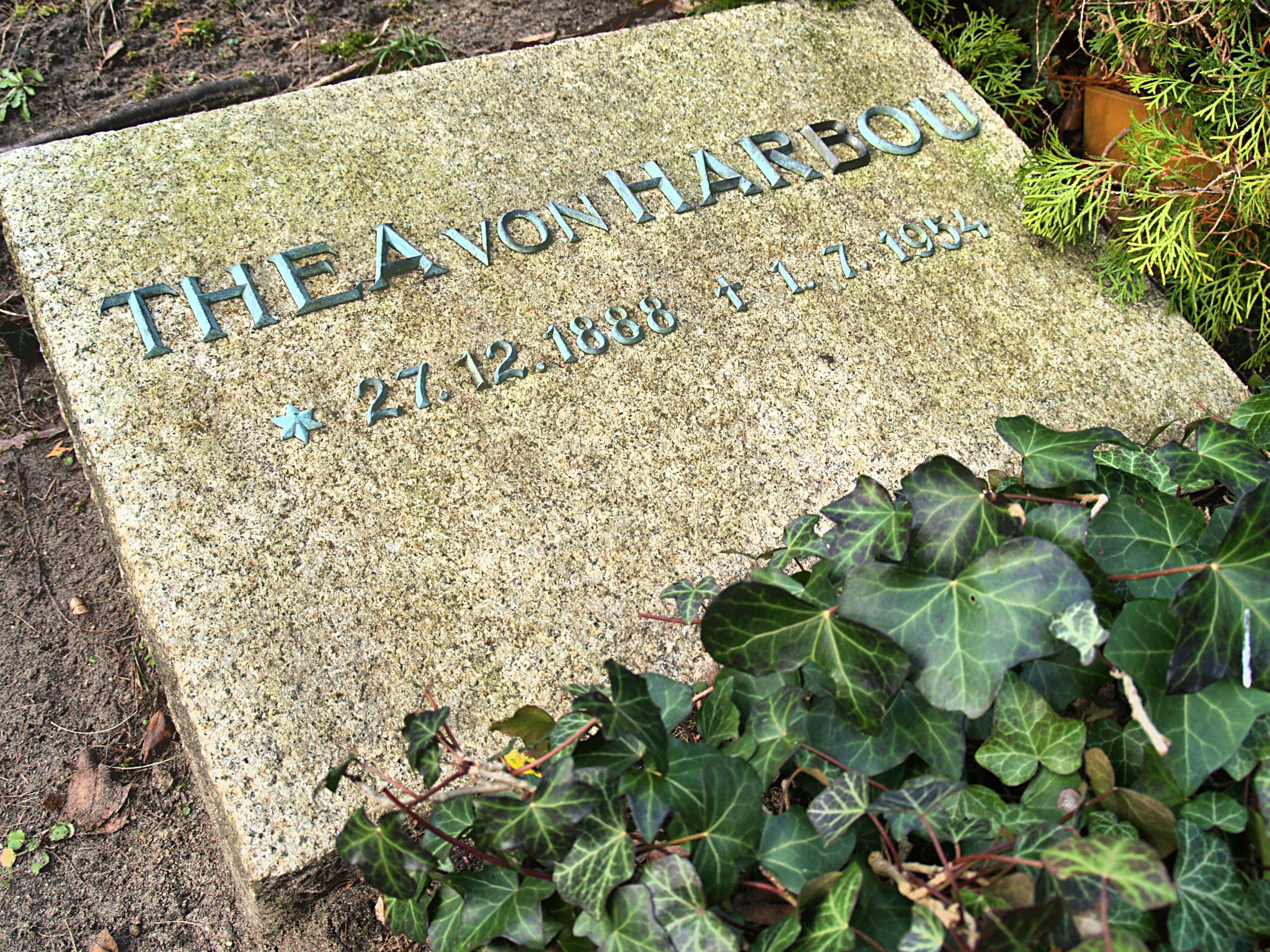
She spent her final years in West Berlin, where she died on July 1, 1954, following a fall. Von Harbou was buried at Friedhof Heerstraße, leaving behind a legacy that endures in the DNA of experimental cinema. Her contributions remain quietly essential to anyone studying how film learned to tell stories.
More Images
Cemetery Map
View larger map →Satellite overview of the cemetery grounds.