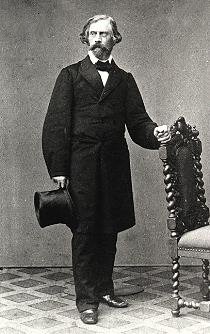
Theodor Hildebrandt 1804 – 1874
Biography
Theodor Hildebrandt made his mark as one of 19th-century Germany’s most compelling painters, capturing the imagination of European audiences with his dramatic brushwork and visionary compositions. Born in Szczecin in 1804, he emerged during a transformative period for German art, when Romanticism was reshaping how artists approached landscape, history, and human emotion on canvas.
Throughout his career, Hildebrandt established himself as a significant voice in German painting, developing a distinctive style that resonated with audiences across the continent. His work embodied the ambitions and aesthetic innovations of his era, contributing meaningfully to the cultural landscape of 19th-century Europe.
Hildebrandt spent his later years in Düsseldorf, a major artistic hub, where he continued to influence the German art scene until his death in 1874. His legacy endures as a testament to the power of artistic vision during one of history’s most creatively fertile periods.