Thubten Gyatso 1876 – 1933
Biography
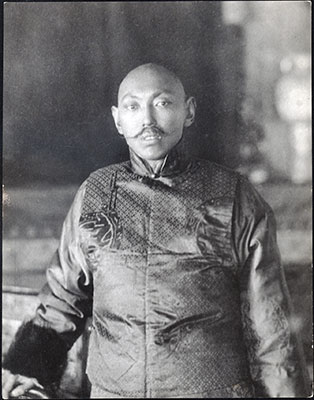
Born in the remote mountains of Samye in 1876, Thubten Gyatso rose to become the 13th Dalai Lama—Tibet’s supreme spiritual leader during one of the region’s most turbulent decades. His ascension placed him at the intersection of religious devotion and political power, making him a towering figure in Tibetan Buddhism at a moment when the faith itself faced unprecedented pressures from the outside world.
Throughout his tenure, Gyatso navigated the razor’s edge between Tibet’s ancient spiritual traditions and the modernizing forces reshaping Asia. As both a religious authority and temporal leader, he shaped Tibetan policy during a period of seismic geopolitical shifts. His leadership at the Potala Palace in Lhasa became synonymous with Tibetan Buddhist identity itself—a beacon of cultural continuity during an era of radical change.
Gyatso died on December 17, 1933, at fifty-seven, felled by pneumonia while residing at the storied Potala Palace. His passing marked the end of an era for Tibetan Buddhism, leaving behind an indelible legacy woven into the spiritual and cultural consciousness of Tibet itself.