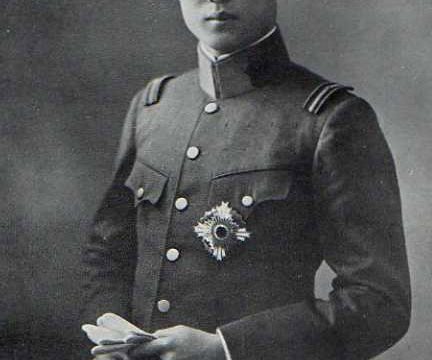
Tōgō Heihachirō 1848 – 1934
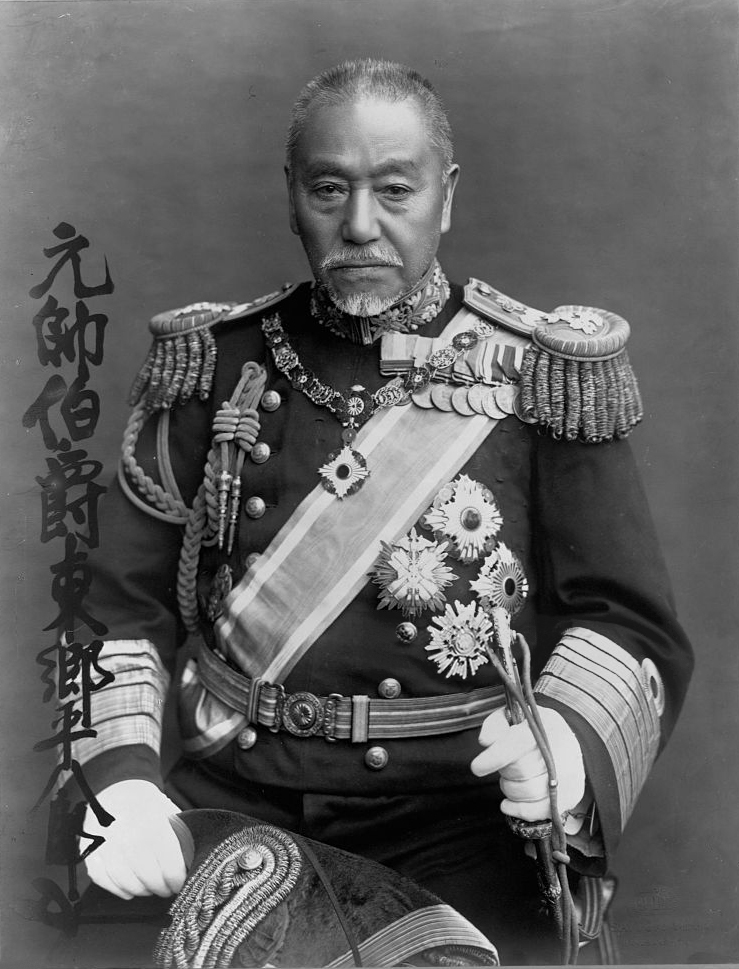
Biography
Tōgō Heihachirō rose from samurai-era Japan to become the architect of the nation’s naval supremacy, ultimately commanding the fleet as Admiral of the Fleet. Born in 1848 during Japan’s tumultuous transformation, he dedicated his decades-long career to modernizing the country’s maritime forces, steering the Navy through the dramatic shift from traditional warfare to cutting-edge naval power. His strategic brilliance and leadership earned him legendary status as one of Japan’s most revered military figures.
Throughout the late nineteenth and early twentieth centuries, Tōgō witnessed—and shaped—the revolutionary changes that propelled Japan onto the world stage. His tenure spanned one of history’s most pivotal military eras, and his unwavering commitment to naval excellence made him an iconic symbol of Japanese strength and discipline. The respect he commanded transcended military circles, establishing him as a towering national figure.
Tōgō passed in 1934 at age eighty-six, succumbing to head and neck cancer. His legacy endures at Tama Cemetery, where he rests as a monument to an extraordinary life of service during Japan’s most transformative century.
Cemetery Map
View larger map →Satellite overview of the cemetery grounds.