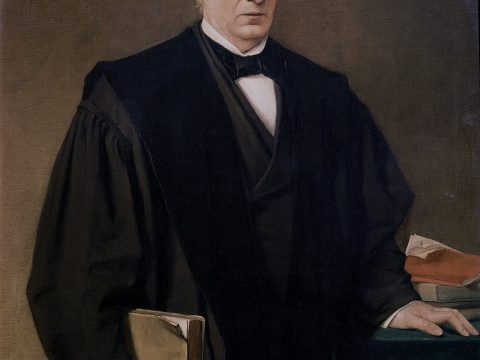
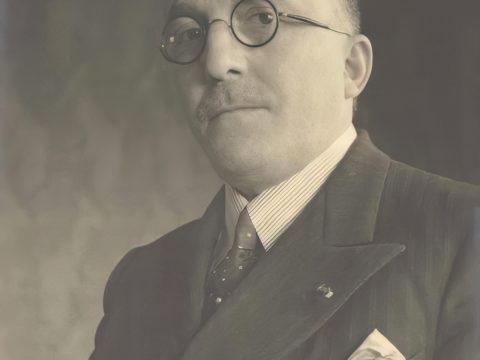
Tokugawa Yoshinobu 1837 – 1913

Biography
Born into Japan’s most powerful dynasty in 1837, Tokugawa Yoshinobu inherited a nation teetering on the edge of seismic change. As the fifteenth and final shogun of the Tokugawa shogunate, he commanded the twilight of over two centuries of feudal rule—a position that made him history’s reluctant closing act. While his predecessors had maintained Japan’s isolation and stability, Yoshinobu presided over the dramatic end of an era, as Western pressure and internal upheaval dismantled the shogunal system forever.
Yoshinobu’s tenure was less about triumph than historical inevitability. His rule became synonymous with the Meiji Restoration, the seismic shift that transformed Japan from a feudal society into a modern nation-state. Though his time in power was brief and turbulent, his presence at this turning point cemented his place as one of history’s most significant transitional figures—a man caught between worlds, governing as an entire civilization reinvented itself around him.
He spent his final decades in his native Koishikawa-ku, passing away in 1913 at seventy-six from pneumonia. Yoshinobu’s legacy transcends any single achievement; he remains the symbolic bridge between Japan’s shogunal past and its modern future, a historical pivot point whose very existence marked the end of feudalism and the birth of contemporary Japan.
More Images

Cemetery Map
View larger map →Satellite overview of the cemetery grounds.