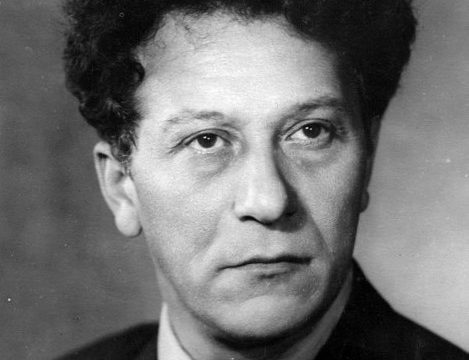
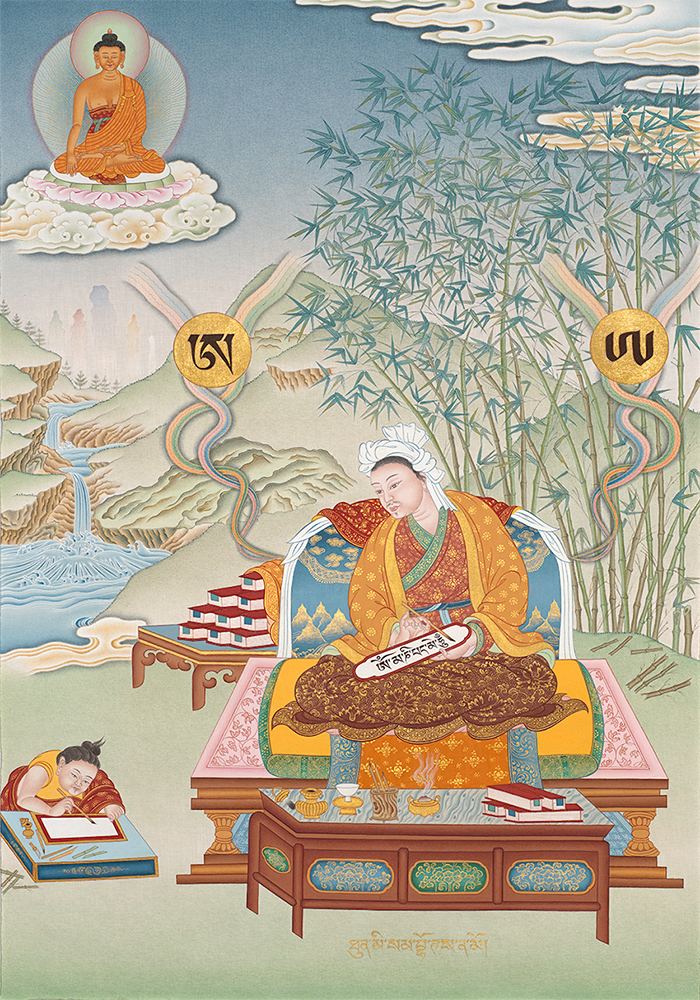
Tonmi Sambhota 618 –
Biography
Tonmi Sambhota stands as a towering figure in Tibetan cultural history, credited with the creation of the Tibetan script and the foundational grammar that would preserve the region’s rich literary and spiritual traditions. Born on January 1, 618 in Tibet, he emerged during a pivotal era when Tibet was developing its unique identity and seeking to record its language in written form. His contributions transcended mere linguistic innovation; they provided the essential tools through which Tibetan Buddhism, philosophy, and knowledge could be transmitted across generations.
The development of Tibetan script represented far more than a practical achievement—it was a cultural milestone that enabled Tibet to codify its teachings, laws, and intellectual heritage. Sambhota’s grammatical innovations created a systematic framework that allowed the language to be written with precision and consistency, facilitating the translation of Buddhist texts and the flourishing of Tibetan scholarly traditions.
Though details of his later life remain shrouded in the mists of history, Tonmi Sambhota’s legacy endures unmistakably in every written word of Tibetan. His foundational work continues to connect contemporary Tibetans to their ancestral wisdom and cultural roots, making him an indispensable figure whose influence spans over thirteen centuries.
Cemetery Map
View larger map →Satellite overview of the cemetery grounds.